Tag: The Innovation Platform Issue 17

  • Powering the global clean energy revolution

    Powering the global clean energy revolution

    [ad_1]

    Québec contains a large amount of various critical minerals including battery metals – the MRNF lays out how its legislation and future plans will capitalise on this.

    As the world seeks to transition to cleaner, more sustainable energy in all industries, the need for materials to support this grows and grows. The Canadian Province of Québec sits atop a large amount of various critical minerals, including many battery metals.

    The Québec Department of Natural Resources and Forests (MRNF) details its role in the supply chain and the plans for the future.

    What are the key battery metals found in Québec, and what role does Québec play in the global supply chain of battery metals?

    Québec has everything it needs to produce the cleanest battery in North America. By combining its available natural resources and state-of-the-art know-how, it has the advantages needed to stand out at every stage of the battery supply chain. In particular, Québec benefits from:
    •    A mineral-rich subsoil;
    •    Clean, renewable electricity;
    •    Highly qualified manpower;
    •    A favourable geographic location;
    •    A vibrant industrial ecosystem;
    •    A research network for critical and strategic minerals (CSM); and
    •    Environmental assets.

    Québec already stands out as a major North American producer of critical and strategic minerals (CSM) essential for battery manufacturing. It operates nickel, graphite, iron, and lithium mines. Some mines produce copper and cobalt as by-products.

    Québec owns more than 50% of spodumene (lithium) mining projects in Canada and several graphite and rare earth projects. Phosphate projects could also be used to manufacture LFP batteries in the territory.

    In addition, Québec operates the largest number of CSM metallurgical plants in Canada. Among CSMs for batteries, copper is notably processed in Québec. There are also many processing projects for lithium, graphite, and rare earths.

    The government’s battery strategy has led to several announcements of projects to manufacture cathodes and battery cells for electric vehicles that can be powered in whole or in part by Québec minerals.

    In the current context of redefining global supply chains, Québec is also seeking to position itself as a reliable, ethical, and sustainable mineral supplier in the battery value chains in North America and elsewhere in the world.

    Can you detail how the Ministry is fostering innovation in the battery metals sector? How is the Ministry supporting the development of new technologies?

    Innovation in the mining sector has been part of the Department’s vision for a long time. Québec was one of the first jurisdictions to develop a plan to address CSM potential. The Québec Plan for the Development of Critical and Strategic Minerals (QPDCSM) was launched on 29 October 2020.1

    It includes the list of CSMs recognised by the province of Québec and all essential minerals for battery manufacturing. This list is updated every three years, and the new version was made public on 23 January 2024.

    The QPDCSM’s objectives include stimulating innovation and research. These aspects are percolating in several principles.

    Among the QPDCSM’s achievements to date is the establishment of the CSM-specific research network, which was launched in February 2023. Co-ordination of this network was entrusted to the Consortium de recherche et d’innovation en transformation métallique (CRITM)2, one of nine industrial research groupings (RSRI) in Québec.

    The CRITM aims to stimulate industrial research, support companies in carrying out their research projects, and provide them with financial support, making them a partner of choice.

    Since the CRITM does not carry out any research work, it facilitates this inclusive network of companies, researchers, and other stakeholders in the mining sector while remaining independent about the project choices and the researchers who will carry them out.

    In parallel, the government announced funding for two concurrent research and development (R&D) support programmes:3

    • The research and development support programme for the extraction, processing, and recycling of CSMs. This programme has been entrusted to the CRITM so that it can be deployed in synergy with the research network.
    • The research and development support programme for the circular economy applied to the CSM sectors. This programme will be implemented by another RSRI, PRIMA Québec4, the advanced materials research and innovation hub in Québec.

    Both programmes have received close to CAD$6m in funding since their launch.

    The ministère des Ressources naturelles et des Forêts (MRNF) also announced the deployment of the Support Program for Mineral Scale-up or Primary Processing for Critical and Strategic Minerals (CSM) in April 2023. This programme provides financial support for semi-continuous pilotage projects or demonstration plants involving MCS.

    The goal of the programme is to increase the chances of project success and reduce the associated technical and financial risks. In addition to encouraging innovation through the creation of new processes or improvements to existing ones, this initiative will accelerate the realisation of mineral processing in Québec and contribute to the development of the sectors necessary for the energy transition, including renewable energy and
    battery manufacturing.

    The Department also supports, through the QPDCSM, initiatives of Groupe MISA,5 the provincial centre of excellence for mining innovation.

    What initiatives has the Ministry undertaken to support the exploration and production of battery metals in Québec?

    The acquisition of new geoscientific knowledge throughout the territory is a key element of mining development in Québec and of the QPDCSM. With this in mind, the government invests more than $18m annually in the acquisition, processing, and dissemination of geological data. This knowledge is showcased and freely available through the SIGÉOM (Québec Geomining Information System) database,6 which contains geoscientific information collected for more than 150 years by the mining industry, by the Ministère des Ressources naturelles et des Forêts (MRNF) and its partners.

    An internet portal with an interactive map7 provides free access to the geoscientific database, considered one of the most comprehensive in the world. Areas suitable for exploration and discoveries from the MNRF’s annual work are published on the Internet and detailed through the Bulletins géologiques.8

    The Department also supports CSM exploration innovation through applied research conducted by the Consortium de recherche en exploration minérale (CONSOREM)9 and the Mineral Exploration Support Program for CSMs.10

    The Department is also working closely with various partners to implement the QPDCSM to support the exploration and production of critical minerals. These partners include public corporations and other government departments that support exploration and mining activities and proponents. These partners include:
    •    Investissement Québec;
    •    Société du Plan Nord;
    •    SOQUEM; and
    •    Société de développement de la Baie-James (SDBJ).

    Investissement Québec is the government’s financial arm. It has various business units and subsidiaries, including Ressources Québec. The latter is the entry point for businesses wishing to invest in the natural resources and energy sectors. It supports businesses throughout their projects for exploration, mining, or processing of natural resources and offers the full range of financial products to support them.

    SOQUEM (Société québécoise d’exploration minière) is another subsidiary of Investissement Québec, whose mission is to promote the exploration, discovery and development of Québec’s mineral resources. It has participated in and contributed to the startup of hundreds of projects that led to major discoveries, including lithium and rare earths projects.

    The Société du Plan Nord is a government corporation with the mission to contribute to the integrated and coherent development of northern Québec in concert with the representatives of the regions and the Indigenous Nations concerned, as well as the private sector. It plays a major role in supporting the communities, businesses and organisations that carry out projects in the territory, while also working to facilitate access to the northern territory.

    The SDBJ aims to promote, from a sustainable development perspective, economic development, improvement, and exploitation of natural resources of the James Bay region other than the hydroelectric resources within Hydro-Québec’s mandate. It may generate, support, and participate in projects in the pursuit of those objectives.

    quebec battery metals
    © shutterstock/Awana JF

    Furthermore, Québec offers one of the best business climates for mining investment. Québec’s regime includes various measures to support companies in different phases of the mining cycle.

    In addition, the mining regime aims to facilitate the local processing and transformation of extracted mineral commodities.

    How does Québec’s battery metals industry contribute to the Province’s green energy transition?

    The industry contributes to the electrification of transportation by powering the battery system for transportation, but also a whole related ecosystem that includes companies active in the manufacture of electric buses or in battery recycling.

    Minerals for batteries, such as copper, nickel, and graphite, are also used in other applications necessary for the energy transition, such as equipment related to the production of renewable energy (solar, wind) or electrical wires.

    The industry’s contribution is also made through efforts to carry out mining operations in a responsible manner by minimising negative impacts and maximising benefits both at the environmental and social levels. This is done by integrating the principles of electrification, optimisation, reduction, and circular economy into the development of mining projects and operations.

    What are the Ministry’s plans to mitigate the environmental impact of battery metal mining?

    The circular economy remains an important element of the QPDCSM. The MRNF aims to maximise the use of mine tailings and has begun work in collaboration with the Unité de recherche et de service en technologie minérale (URSTM) to develop a methodology for characterising the CSM potential of the unrestored tailings management facilities under the responsibility of the State. Other circular economy initiatives will also be implemented in the coming months.

    In addition, the QPDCSM seeks to support energy efficiency and renewable energy supply for CSM development and valorisation projects.

    It should also be noted that, in Québec, environmental standards for the mining sector are among the strictest in the world.

    The Department also encourages companies to meet the highest ESG standards. The Sustainable Development Support Program for Mining Companies provides financial support to exploration companies seeking ECOLOGO certification and to mining companies wishing to comply with the principles of the TSM (Towards Sustainable Mining).

    In order to promote the respect of environmental standards and other ESG criteria by Québec producers to customers and consumers, the Department is also supporting traceability initiatives to track several ESG indicators across the battery metal value chain.

    Last April, the MRNF began a participatory process aimed at determining the winning conditions, particularly to ensure that environmental issues are taken into account for a harmonious development of mining activities in Québec. It reflects the government’s will to listen to the population and find solutions by seeking their input.

    The general public, regional stakeholders, Indigenous nations and several national groups were invited to participate in various ways between 24 April and 31 May through exchange workshops, a web-based platform including online questionnaires and submission, a virtual consultation workshop with Indigenous communities, a day-long consultation workshop with national stakeholders as well as virtual workshops to exchange information with the public and local stakeholders.

    More than 2,500 interventions were identified during this process, which will help guide government actions to be implemented to promote the harmonious development of Québec’s mining activities. The resulting action plan is expected to be released in the first half of 2024.

    How is the Ministry addressing the challenges faced by the battery metals industry in Québec?

    The Department, in collaboration with its partners, has put in place a number of programmes to accelerate the implementation of projects as much as possible while respecting the highest ESG standards.

    In order to reduce transformation risks, the implementation of the Support Program for the Scale-up of Mineral or Primary Processing Processes for Critical and Strategic Minerals (CSM) encourages companies to develop their processes according to the rules, which avoids costly errors that may subsequently occur.

    The Department, in collaboration with its government partners, has also implemented initiatives to reduce project approval times without compromising environmental requirements.

    Capital attraction also remains an issue. The QPDCSM is, therefore, also intended to promote CSM projects to foreign investors. The government mining promotion team, which includes the MRNF, the Société du Plan Nord, Investissement Québec, SOQUEM and the Ministère des Relations internationales et de la Francophonie, is continuing its international promotion activities.

    In recent years, it has made presentations on the QPDCSM and Québec’s mineral potential at a number of provincial, national and international events. The government team’s participation in these events also helped promote Québec’s potential to new international, private and institutional investors.

    How is the Ministry planning to balance the economic benefits of battery metal mining with the preservation of Québec’s natural landscapes?

    Obligations to restore mining sites are included in the law. The Department’s approach to promoting the harmonious development of the mining sector considers the concerns raised by stakeholders, particularly concerning the preservation of Québec’s natural environments and landscapes.

    A legal mechanism exists for the designation by municipalities of territories incompatible with mining activities.
    quebec battery metals
    © shutterstock/Marjorie Anctil

    The MRNF is also involved with other government departments in thinking about the designation of protected areas and conservation areas in the province.

    What is the Ministry’s vision for the future of the battery metals industry in Québec?

    The vision resulting from the QPDCSM is that Québec be recognised as a reliable, ethical and sustainable partner that actively contributes to global energy and technological transitions and to the creation of wealth in a greener economy through the production, transformation and recycling of quality CSMs.

    The Department is also working with partner departments and government corporations to ensure maximum integration and collaboration between the mining sector and the downstream portion of the battery value chain that is developing in Québec

    References

    1. Plan québécois pour la valorisation des minéraux critiques et stratégiques 2020-2025 (Quebec.ca)
    2. CRITM – Votre partenaire indispensable en transformation métallique
    3. Programmes – Ministère des Ressources naturelles et des Forêts (gouv.qc.ca)
    4. PRIMA Québec | R-D et financement | Les matériaux pour advancer
    5. Accueil | Groupe MISA (legroupemisa.com)
    6. SIGÉOM | Système d’information géominière | Home (gouv.qc.ca)
    7. SIGÉOM | Système d’information géominière | Carte interactive (gouv.qc.ca)
    8. Bulletins géologiques – en – Géologie Québec (gouv.qc.ca)
    9. CONSOREM | Consortium de recherche en exploration minérale
    10. Programmes – Ministère des Ressources naturelles et des Forêts (gouv.qc.ca)

    Please note, this article will also appear in the seventeenth edition of our quarterly publication.

    [ad_2]

    Source link
  • What is next for the UK hydrogen industry?

    What is next for the UK hydrogen industry?

    [ad_1]

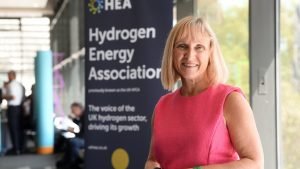
    Celia Greaves, CEO of the Hydrogen Energy Association (formerly known as the UK HFCA), explains why 2024 is the time to push forward on costs, supply chains, and regulatory uncertainty for the UK and global hydrogen industries.

    Hydrogen was firmly at the forefront of the worldwide political agenda in 2023, with a wave of government support schemes introduced to guarantee viability for low-carbon H2 projects across the globe.

    We saw the launch of the US clean hydrogen production tax credit, the EU’s green H2 auctions, the German-led H2Global scheme, India’s National Green Hydrogen Mission, and Australia’s Hydrogen Headstart, and support is materialising via production tax credits (PTC) and financial support for hydrogen hubs in the US, renewable hydrogen mandates in the Renewable Energy Directive (RED III) in Europe, and contracts for difference (CfD) in Japan.

    In the UK, there was a raft of announcements from our Department for Energy Security and Net Zero, including £400m backing for 11 major projects receiving capital and operational support under our first Hydrogen Allocation Round – an important boost for the economy demonstrating the investment appeal of UK hydrogen.

    At the start of this year, we released our UK Hydrogen Projects Map – the first of its kind, mapping out the swell of incredible work going into the hydrogen economy and shining a light on projects which are post-FEED or have been shortlisted for public funding, raising awareness among investors, governments, and key players in the hydrogen industry. The map covers over 70 hydrogen production projects plus others across the value chain – and we expect it to grow quickly.

    uk hydrogen

    Now, three months into 2024, the time is ripe for us to take stock and not just highlight progress to date but review the challenges we have ahead of us to keep up the momentum.

    Challenges ahead

    Inflationary pressures on the cost of production, supply chain issues, and offtake challenges are some of the issues that projects are facing this year.

    Costs and cost expectations have risen substantially, particularly for renewable hydrogen. Multiple factors have caused this increase – higher labour and material costs, higher cost for building the balance of electrolyser plants, higher cost of capital, and an increase of renewable power cost by more than 30%.

    However, the cost of producing renewable hydrogen is expected to decline to 2.5 – 4.0 USD/kg towards 2030, driven by advancements in electrolyser technology, manufacturing economies of scale, design improvements, and reduction in renewable power cost.

    Getting projects over the line is also an issue, and development in this space is a bit of a ‘cause and effect’ situation in that it is necessary to build a market for clean hydrogen if projects are to attract private investors, but the sector needs to reach sufficient scale to be competitive.

    Lenders require consistent cash inflows to back hydrogen projects, and while some developers are willing to offer hydrogen under long-term agreements on a cost-plus-premium basis, a gap remains between production costs and off-takers willingness to pay for cleaner alternatives.

    Hydrogen projects are also facing rising costs for capital and materials, as with other parts of the renewables sector, further complicating the ramp-up of the nascent industry.

    Underpinning standards

    One of the key concerns globally is the need to underpin the hydrogen industry with consistent and appropriate permitting and standards frameworks.

    The main issue at play here is that ordinarily, these would take a considerable amount of time to come to fruition. And in the hydrogen space – and indeed where climate change is concerned – time isn’t on our side. Unlike other industrial transformations, which have happened over decades and longer, the hydrogen transition needs to happen quickly if we are to meet our net-zero goals.

    We are trying to move quickly, and permitting and similar issues – around planning approvals, for example – are preventing us from making the deployments that we need to make fast enough.

    Being proactive rather than reactive is key here to prevent these delays and smooth the path for scale-up. This applies not only to production but also to use and transportation/storage.

    Individual nations are moving forward with national certification schemes, and we will need to translate these quickly into a widely recognised international scheme if we are to facilitate a trusted and resilient trade in low-carbon hydrogen. Commitments at the recent COP could help forge the way here.

    Skills for the future

    Another global challenge for hydrogen is the potential for a worldwide skills shortage if we do not invest appropriately and quickly.

    Demand for science, technology, engineering, mathematics, digital, and data science skills will be high across the sector, with the majority requiring college and graduate qualifications.

    And there is an urgent need not just to bring new skills into the industry, but work to transfer skills from areas such as fossil energy already deeply embedded across the UK.

    Alongside traditional engineering, construction, and maintenance skills, we believe that training in areas such as policy and regulations, system integration, energy modelling tools, climate change and sustainability, and future industry growth would help ramp up skills transition in the UK, supported by technical training in hydrogen storage and hydrogen safety to support an emerging hydrogen economy.

    Offtake agreements

    Despite the challenges faced by the hydrogen industry, the number of announced projects for low-emission hydrogen production is rapidly expanding. According to the latest International Energy Agency (IEA) report, annual production of low-emission hydrogen could reach 38 Mt in 2030 if all announced projects are realised, although 17 Mt come from projects at early stages of development.

    However, another significant barrier to the bankability of hydrogen projects is the lack of offtake agreements – and this remains a global problem.

    The private sector has started moving to adopt low-emission hydrogen through off-take agreements, but more than half are preliminary agreements with non-binding conditions. Some companies are developing projects for low-emission hydrogen production for their own use, without the need for off-take agreements, but even with the addition of these quantities, low-emission hydrogen use is still far from what is needed to meet climate goals.

    This means that despite a substantial appetite for hydrogen applications across various sectors driven by decarbonisation agendas, strategic positioning, or energy security concerns, movement is slower than it needs to be.

    The EU has produced promising offtake structures and solutions to overcome offtake challenges to EU green hydrogen projects, and we need something similar in the UK for us to stimulate offtake and increase production alongside demand to have that pull through.

    Storage and transportation of hydrogen in the UK

    Alongside measures to stimulate offtake, we have also been calling for rigorous strategic planning, forward-thinking policies, and a commitment to innovation to develop a vital network for the transportation and storage of hydrogen in the UK.

    Our policy paper, The Role for Transport and Storage in Delivering the Hydrogen Transition, released towards the end of last year, urged the Government to take action to maximise the benefits that hydrogen offers for our energy system and environment, outlining considerations inherent in the development of a transportation network for hydrogen, as well as addressing hydrogen storage.

    uk hydrogen
    © shutterstock/Audio und werbung
    As a fuel, hydrogen is extremely clean, as its only byproduct is water

    Our paper was followed by some encouraging developments, with the UK Government releasing details of how it expects to support UK hydrogen transport and storage infrastructure, as well as a ‘Hydrogen Transport and Storage Networks Pathway’ which describes a strategic planning approach which should help ensure the right network is available to support the evolving hydrogen economy and contribute whole energy system benefits.

    This sets in place useful foundations for building greater momentum in this area. Moving forward, our work will focus on the role of non-pipeline transportation options, such as road transport, which will be key to delivering not only short- to medium-term transportation (while pipelines are developed) but also long-term solutions for locations in which pipelines do not reach.  We are working with the Government on the right policy levers to support this and looking at mechanisms to accelerate innovation to bring down costs and enhance performance.

    Optimism for the future

    It’s important in our evaluation of the hydrogen pathway to date in the UK that we remember all the positive strides we are making.

    Yes, there are many areas where we need to move faster and further – whether this means more investment, more support, or more progress in codes, permitting and certification.

    But this year, there are plans afoot to continue boosting hydrogen deployment across the entire value chain.

    Collaboration remains one of our strongest assets here in the UK. Hydrogen growth is not siloed, and we strive to take a joined-up approach to the sector, innovation, and opportunity wherever possible.

    This can be witnessed firsthand at our HEA Annual Conference, which will be held in London in May, bringing together industry, academia, and government to facilitate the UK’s role as a world leader in hydrogen and to capitalise on the huge opportunities we have for both reducing carbon emissions and driving economic growth.

    We also look forward to the UK’s Second Hydrogen Allocation round which we hope will build on existing momentum and ambition to achieve our goals.  There are opportunities to further increase the attractiveness of the scheme and attract even more projects, and we’re working with the Government to deliver that. Further subsidy rounds will follow, designed to help the UK hit its overall low-carbon hydrogen production target of 10GW by the end of the decade.

    It will also be interesting to see if the COP28 pledges to accelerate the commercialisation of hydrogen, keep the 1.5°C target within reach, and unlock the benefits of cross-border value chains for hydrogen come to fruition.

    The shared declaration of intent across governments for mutual recognition of certification schemes for hydrogen and the global benchmark for greenhouse gas (GHG) emissions and implantation of the public-private action statement on cross-border trade corridors in hydrogen, in partnership with the International Hydrogen Trade Forum (IHTF) and the Hydrogen Council will be instrumental in global progress.

    An important part of our work in the UK remains in international collaboration. The HEA works with a huge number of organisations, associations, and government groups overseas and is a member of the Global Hydrogen Industries Association Alliance, Hydrogen Europe, and a number of trade associations in Europe and the US.

    Decarbonising energy systems is a global effort, and working across the world for gains is vital to reaching climate goals.

    The hydrogen economy in a nutshell

    Foundations are being put in place globally to create a thriving hydrogen economy, both domestically and abroad. The UK, like other global leaders, faces a number of challenges in 2024 in building accelerated momentum in hydrogen.

    In short, we certainly still have a way to go, but we are moving in the right direction.

    Please note, this article will also appear in the seventeenth edition of our quarterly publication.

    [ad_2]

    Source link
  • Transforming ocean-climate action in Canada

    Transforming ocean-climate action in Canada

    [ad_1]

    Anya Waite explains how the Ocean Frontier Institute, led by Dalhousie University, is driving the science and innovation needed to solve urgent ocean-climate challenges.

    The ocean protects us against the worst impacts of climate change. However, emerging science shows that its ability to absorb carbon and regulate temperatures may be changing in ways we don’t understand. This uncertainty critically undermines global climate targets and puts the well-being of our planet, communities, and economies at risk.

    Researchers, policymakers and industry leaders today represent the first generation that is fully aware of the risks of climate change and the last generation that can change the trajectory of the climate crisis. The global challenge of our lifetime is surviving that crisis. For success, we must improve climate forecasts to set smarter climate policies and strategies, and invest in the science and technology of safe, responsible and scalable climate solutions and supporting infrastructure.

    Established in 2015, the Ocean Frontier Institute (OFI) is a global leader in ocean research. OFI brings researchers, industry and government together to solve complex ocean problems. Our projects emphasise a transnational and interdisciplinary approach to research, producing enduring social, environmental, and economic benefits.

    Transforming climate action

    In 2023, Dalhousie University launched a groundbreaking new $397m research programme: Transforming Climate Action (TCA). With funding from the Government of Canada and other international partners, the programme will be one of the most intensive investigations ever undertaken into the ocean’s role in climate change. Led by Dalhousie’s Ocean Frontier Institute, the TCA programme is organised into cross-cutting themes that span natural science, applied science and engineering, and social science. The research focuses on three key objectives:

    • Reducing uncertainty about natural ocean carbon sequestration in a changing climate
    • Making Canada a global leader in ocean-related carbon reduction and removal
    • Promoting a just and equitable adaptation for communities in a changing climate

    Researchers from Dalhousie and partner institutions Université du Québec à Rimouski, Université Laval and Memorial University of Newfoundland are uniting as part of this globally relevant and transdisciplinary programme. With over 170 experts across four institutions, TCA will unify complementary research strengths and infrastructure to inform climate action.

    Building global partnerships

    The TCA programme is supported by more than 40 national and international partners, ensuring global impact and fostering opportunities for meaningful collaboration and engagement. This partnership network includes:

    • National Oceanic and Atmospheric Administration;
    • Woods Hole Oceanographic Institution;
    • GEOMAR Helmholtz Centre for Ocean Research Kiel;
    • Alfred Wegener Institute;
    • Kiel Marine Science; and
    • 14+ industry partners.

    Our partners are providing a range of contributions to the TCA programme, including funding support, shared resources (e.g., data, equipment and ship time) and research collaborations.

    Cutting-edge research

    Novel data collection techniques will be developed to model the impact of climate change to reveal how the North Atlantic is changing and how it is impacting climate. Specifically, ocean instrumentation, platforms and communication systems will be integrated using novel and near-real-time technologies to fill critical knowledge gaps and transform ocean observations by merging expertise across ecology, physics, engineering, computer science, genetics and the technology sector.

    Advanced biogeochemical sensors for carbon-related parameters will be developed, including dissolved inorganic carbon and total alkalinity. This includes in situ eDNA sensors to characterise the biological content of our oceans. To support the data collection, remote communication networks will be established using autonomous vehicles both below and above the sea surface to acquire the data remotely.

    The TCA Artificial Intelligence (AI) research will develop AI models to simulate and optimise ocean sensor/platform deployment decisions. This includes supporting the essential observations and modelling inputs required for measurement, reporting, and verification in the North Atlantic oceanographic and environmental settings, and the environmental monitoring approach necessary to assess the ongoing effects of ocean alkalinity enhancement on ecosystem health, biodiversity and elemental cycling.

    OFI researchers recognise the opportunity to increase the impact of their research and innovation by partnering with industry leaders to scale their work into market solutions or to commercialise their solutions into new ventures. These efforts are enabled and supported through numerous opportunities to collaborate with industry on research and development projects, professional development in entrepreneurial thinking and receiving commercialisation mentorship through accelerators and venture studios.

    North Atlantic Carbon Observatory

    The Transforming Climate Action research programme is driving the science needed to inform climate action. The next critical step will be to fund existing and new ocean carbon observations to improve observation of the ocean baseline, supporting climate forecasting and enabling responsible marine-based carbon dioxide removal (mCDR) solutions.

    OFI is building support for an ambitious, multinational, sustained ocean infrastructure initiative, the North Atlantic Carbon Observatory (NACO), to address this global challenge.

    Once underway, NACO’s observations and data products will play a critical role in the development of more targeted climate strategy and policy and provide the required baseline observations to enable safe, effective and verified mCDR. Additionally, NACO will provide the data necessary to accelerate ocean and climate innovations.

    Please note, this article will also appear in the seventeenth edition of our quarterly publication.

    [ad_2]

    Source link
  • Nuclear medicine industry to be boosted with isotope production

    Nuclear medicine industry to be boosted with isotope production

    [ad_1]

    Astral Systems is addressing the impending shortage of life-saving medical isotopes in the nuclear medicine industry through its groundbreaking isotope production technology.

    With its discovery in 1896 by Henri Becquerel, followed shortly after by the pioneering research of Marie Curie and her husband Pierre Curie, radioactivity has maintained a position of great interest in both the scientific community and the public. When most think of radioactivity, the mind is drawn to nuclear power, or the damaging effects of radiation.

    Radioactive material is dangerous because it can damage cells and human DNA. However, what makes it dangerous also makes it excellent at killing cancer if you can get it to where it needs to go.

    Few people initially think of nuclear medicine when radioactivity is mentioned. However, nuclear medicine has been an integral part of the story of radioactivity since the discovery of artificial radioactivity in 1934 at the Oak Ridge National Laboratory.

    The ability to use radioactive materials to fight cancer and destroy tumours was a giant leap forward in medicine. In many ways, this is thanks to the movement sparked by the Atoms for Peace speech by Dwight D Eisenhower in 1953, which drove scientists, policymakers, and the public towards using fission outside of nuclear weapons and power.

    Power, weapons, and medicine

    Arguably, one of the most significant advancements in radioactivity was the invention of the cyclotron at UC Berkeley. A cyclotron is a particle accelerator, able to accelerate charged particles at incredibly high speeds before directing them into a target material at sufficiently high energies that nuclear reactions can take place and new elements and isotopes can be formed. This cyclotron at UC Berkeley alone has led to the discovery of 14 new elements.

    Cyclotrons are now relatively commonplace, with over 1,500 used to produce nuclear medicine worldwide. This growth in cyclotrons has brought nuclear medicine to millions of people not previously able to access the once very specialist treatment, now with over 200,000 Positron Emission Tomography (PET) scans conducted in the UK each year.

    While cyclotrons have brought nuclear medicine to millions, they are limited in the range of isotopes they can produce. They are traditionally limited to producing short-lived isotopes used for imaging and diagnostic procedures due to their limited energy capabilities.

    In recent years, there has been a growing interest in molecular radiotherapy (MRT), whereby an alpha or beta-emitting isotope is chemically linked to a targeting molecule such as a protein or antibody. This targeting molecule passes through the body until it reaches the desired location, such as a tumour cell, where it binds. The chemically linked isotope then radioactively decays, releasing its energy into the tumour and killing the cells.

    Recent clinical trials in these molecular radiotherapy treatments have shown very encouraging results. However, one of the most significant challenges to this type of treatment is the availability and supply of therapeutic isotopes.

    These isotopes are primarily produced in special-purpose nuclear fission reactors, of which there are only a few in the world. Most of these special-purpose reactors are scheduled for decommissioning by the end of this decade.

    The UK Government published a report acknowledging that two-thirds of the global production of therapeutic isotopes will go offline by 2030. This will result in millions of people losing access to, or at least having significantly delayed, cancer diagnostic and therapeutic procedures.

    Current supply issues are already contributing to cancer being detected at later stages than pre-COVID. Due to the physics of radioactive isotopes, they cannot be stockpiled due to their radioactive decay. Isotopes used in nuclear medicine typically have a half-life of 20 minutes up to a maximum of eight days. This means that isotopes must be used after production as soon as possible, with little to no room for transport delays or storage.

    Combining a reduced supply of therapeutic isotopes and increasing demand through clinical research and new therapy approval leads to ever-increasing supply shortages. Such shortages have been seen in the past due to scheduled maintenance leading to delays and cancellation of life-critical nuclear medicine procedures. During a five-month prolonged shortage over Christmas 2022, a significant number of children in Wales had their thyroid cancer treatment cancelled and were moved onto less effective therapies.

    Unfortunately, building new fission reactors is very slow and expensive; it’s challenging to convince governments to build them for energy, let alone medicine.

    Astral Systems enables isotope production

    Technology developed by the team at Astral Systems enables the production of neutron-produced therapeutic isotopes (usually produced in large fission reactors) in small modular fusion reactors. This has been achieved by significantly increasing the neutron flux of their fusion reactors with a process termed Multi-State Fusion (MSF); it elegantly prompts fusion in two states of matter simultaneously: within a solid and plasma.

    99% of the sun’s fusion power comes from deep within its core. Here, it’s more akin to a dense conductive metal than a plasma. This isn’t just a theory. In 2020, NASA demonstrated that it is easier for fusion to take place within a solid material than in a plasma. Astral’s work brings this discovery into an industrially tried-and-tested commercial compact fusion reactor.

    By introducing fusion in a solid and plasma simultaneously, the efficiency of these systems increases by over a factor of ten with minimal increased cost and no additional power. These compact systems can now produce nuclear medicine at scale and economically.

    The Astral team set up three fusion facilities in the UK within the last year, demonstrating how rapidly such sites can be set up in academic settings, rural areas, and cities. Such sites represent a paradigm shift—an opportunity to bring production closer to patients, enhancing access, reducing costs, and sidestepping the vulnerabilities of centralised supply chains.

    This scalable model isn’t just for the UK. It’s a template for international adoption, offering a lifeline to countries like Nigeria, where burgeoning cancer rates clash with the absence of a nuclear program. Astral’s fusion approach promises a safe, affordable, and reliable alternative, democratising access to treatments that were once out of reach for many.

    Astral Systems’ to impact the nuclear medicine industry

    Astral Systems’ plans in the coming year are ambitious but sure to impact the field of nuclear medicine. They are building an I-131 production facility in Bristol, capable of producing 200+ GBq/week (Giga Becquerels, named after the discoverer of radioactivity). This would satisfy 50% of the UK’s current clinical I-131 requirement. I-131 is the most widely used isotope for MRT, accounting for almost 50% of all MRT treatments in the UK.

    Production of I-131 in the UK would significantly reduce the need to import I-131 from Europe or elsewhere. Eliminating customs checks, reducing transport time, and ultimately providing more reliable delivery of I-131 to radiopharmacies throughout the UK.

    Beyond the production of I-131, Astral is also looking to produce Ac-225, an alpha-emitting radioisotope rapidly gaining momentum in research and early clinical studies of novel MRT therapies. Supply of Ac-225 is currently very limited throughout the world, with many questions about future supply.

    Fortunately, Ac-225 production lends itself well to Astral Systems technology, meaning it can be produced in tandem without any modification to Astral’s I-131 production infrastructure.

    The fast-growing and arguably most fashionable radioisotope for MRT is currently Lu-177. This is also within Astral’s sights in the coming years. However, modification to the reactor design is necessary to account for the smaller cross-section of Lu-177; the team plans to have a large production facility up and running in the next three to four years to meet the growing demand for this radioisotope.

    Astral Systems is not limiting itself to the UK; once the initial I-131 production facility is up and running in the UK, the team plans to replicate the model in other countries around the world, primarily those with strong nuclear medicine communities, but with limited access to therapeutic radioisotopes.

    Aside from more extensive production facilities, the team has strong academic links and is eager to see the technology used in ways they have not yet imagined. Plans to establish smaller research reactors in universities and academic research centres around the world will allow these centres to produce bespoke doses of therapeutic isotopes for research purposes and experiment with novel radio isotopes for nuclear medicine and beyond.

    But Astral isn’t stopping at medical advancements. It is also exploring ways to make fission more attractive by decreasing the lifetime of problematic high-level waste, with ARPA-E in the US hosting workshops on the topic. Even NASA is considering a hybrid fission-fusion system to explore the icy moons of our solar system, like Europa, to discover the first extra-terrestrial lifeforms.

    It’s an exciting time for us, and we are witnessing a renewed interest in fission and fusion power as climate issues take centre stage. With the industry expanding, it will be interesting to see how nuclear technology continues to evolve, with complementary advancements in fission and fusion leading the charge towards new horizons.

    Whether in our hospitals or on distant planets, the nuclear industry keeps pushing the boundaries; watch this space!

    Please note, this article will also appear in the seventeenth edition of our quarterly publication.

    [ad_2]

    Source link

  • A paradigm shift in the rare earths market

    A paradigm shift in the rare earths market

    [ad_1]

    With exciting new projects on the horizon and a plethora of promising results firmly under their belt, Brazilian Rare Earths is a forerunner in the Australian rare earths industry.

    After making a significant impact as the largest resources IPO on the Australian Securities Exchange (ASX) in 2023, Brazilian Rare Earths (BRE) has rapidly solidified its position as the most prospective and potentially high-grade rare earths project globally, with all the necessary elements in place for the company’s project to become the preeminent rare earths province worldwide. Brazilian Rare Earths is situated in a tier-one mining jurisdiction. It controls an extensive portfolio of mining tenements spanning over 4,000km², covering almost the entirety of the Rocha da Rocha Critical Minerals Province. The project enjoys close proximity to excellent infrastructure with access to hydroelectric energy, sealed roads and nearby ports.

    The Board and Senior management team comprises a group of highly experienced executives with substantial in-country experience and a stellar track record in creating shareholder value and operating mining assets. With founders and the Board still holding around 60% of the company’s shares, most of which are locked up for two years, it is clear that management is entirely aligned with shareholders and committed to the long haul.

    Furthermore, BRE is well-funded, having successfully completed a significantly oversubscribed Initial Public Offering (IPO) of AU$50m at AU$1.47 per share on the ASX. The IPO attracted exceptionally high-quality investors, including Gina Reinhardt’s Hancock Prospecting, coal giant Whitehaven Coal, top institutional funds, and several large family offices.

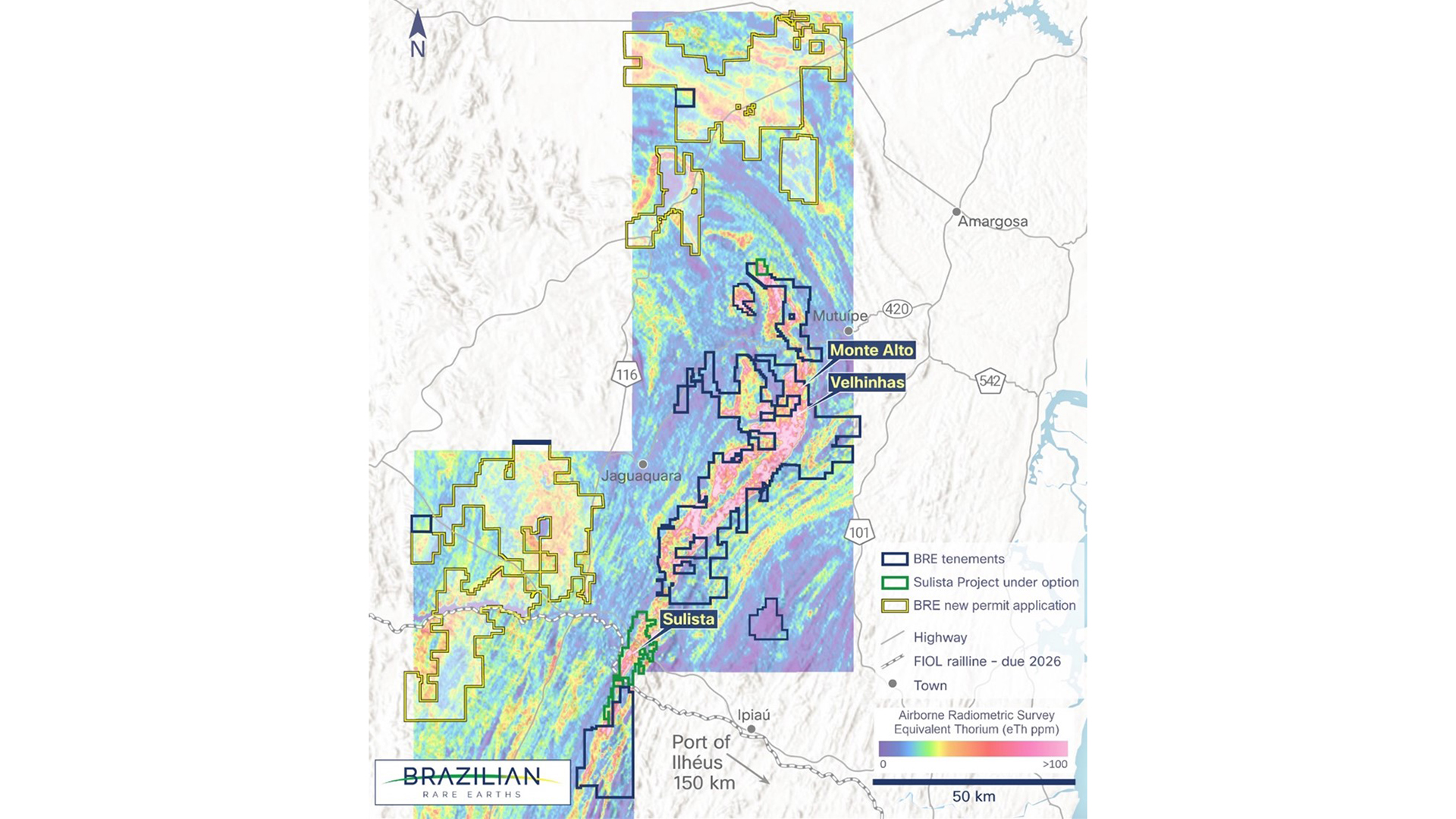
    Fig. 1: Rocha da Rocha Province geophysical map – existing BRE exploration licences (blue), Sulista Project (green) and exploration licences under application (yellow)

    Promising results

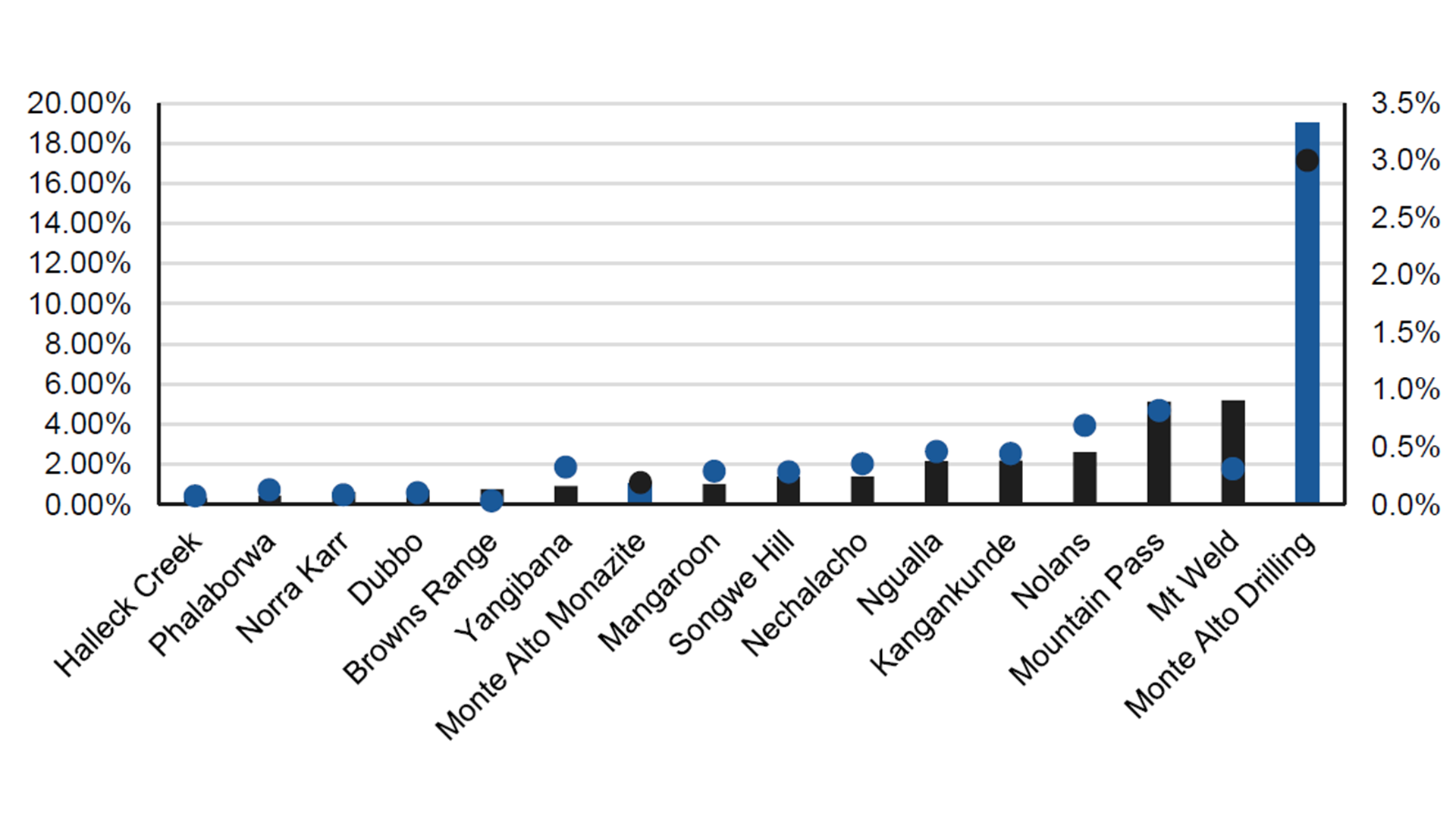
    It is no surprise that Brazilian Rare Earths attracted such a star-studded register! While many listed companies boast projects with grades measured in parts per million (ppm),¹ and the very best projects in operation today, such as Lynas’ Mt. Weld and MP Materials’ Mountain Pass, have grades ranging from approximately 6-8% Total Rare Earths Oxides (TREO),² BRE has recently announced significant intercepts as high as 34% TREO and as they say ‘grade is king!’ In fact, the weighted average of BRE’s recently published diamond drilling results in their ultra-high-grade Monte Alto Project was 18.8% TREO. Fig. 2 below illustrates how these average intercepted grades compare to the JORC Reserve grades of the major rare earth deposits globally.

    Fig. 2: Source: Canaccord Genuity Research Report 12 February 2024

    However, a closer examination of these numbers reveals that these results are even more exceptional than they initially appear. It’s important for readers to understand that rare earths consist of 17 chemical elements with vastly different uses and values. For example, cerium (Ce) trades for only a few dollars per kilo, while terbium (Tb) trades for over US$1,000 per kg. With the global shift towards sustainable energy, rare earth elements (REE) are increasingly vital, especially in manufacturing high-strength permanent magnets for electric vehicles and wind turbines.

    The BRE approach to grades

    The so-called ‘light magnet rare earths’ neodymium (Nd) and praseodymium (Pr), as well as the ‘heavy magnet rare earths’ dysprosium (Dy) and terbium, are expected to be in high demand going forward, with many specialists predicting significant supply deficits and material price appreciation. Rather than being focused on head grades (TREO), what’s important is to examine the underlying grades of the individual rare earth elements that make up the TREO. For example, a project with a very high TREO count composed entirely of Ce may be far less valuable than a project with a lower grade consisting entirely of Tb, given that Tb tends to trade at roughly 1,000 times the price of cerium currently.

    To put this in context, the average Nd+Pr grades intersected by BRE stand at an eye-watering 3.0%, higher than most developers’ total grade! Meanwhile, the average Dy+Tb grade stands at 0.15%. By comparison, Northern Minerals Limited (ASX: NTU) has the highest DyTb grades in Australia at 0.073%.

    On the other hand, BRE not only has incredibly high levels of NdPr and DyTb but also significant levels of other extremely valuable elements such as Scandium (Sc) at 193 ppm and Niobium (Nb) at 0.6%, making the BRE-controlled Rocha da Rocha Critical Minerals Province one of the most exciting geological discoveries globally!

    Priority exploration programmes

    Additionally, BRE recently announced the acquisition of the Sulista Rare Earths Project, some 80km southwest of Monte Alto, see Fig. 1. On-site reconnaissance sampling of the hard rock outcrops and corestones/boulders recorded gamma spectrometry readings at three distinct sites within the same range as those obtained for the ultra-high grade REE-Nb-Sc mineralisation near the Monte Alto Project, suggesting the Sulista Project has the potential to host several ultra-high-grade deposits like Monte Alto.

    BRE’s exploration team believes that this unique high-grade REE-Nb-Sc mineralisation is provincial in scale and that there is outstanding potential for new high-grade rare earth discoveries along the entire geophysical trendline that runs down the extensive spine of this world-class province.

    BRE recently commenced a diamond drill programme at the Velinhas target, located seven kilometres to the south of Monte Alto (see Fig. 1), and has mobilised diamond drill rigs to target high-grade REE-Nb-Sc mineralisation at the Sulista Project, where three distinct high-grade targets have been identified. These priority exploration programmes will be followed by an increasing number of highly prospective regional drill targets.

    Geopolitical Significance

    Currently, both the European Union, through its European Green Deal and recently enacted Critical Raw Materials Act, and the United States, through the Inflation Reduction Act, are moving in the same direction, aligning their strategies and priorities. A significant focus of these superpowers is to end China’s dominance of the world’s critical minerals industry and to promote Western sources of these important elements.

    BRE holds strategic significance for Western end users due to the absence of current production sources for heavy rare earths outside China and Myanmar. This situation is a cause for concern among several Western governments, as many crucial military applications rely on technologies dependent on heavy rare earths. Moreover, the fact that the primary source of these materials is China amplifies the anxiety surrounding supply chain security. BRE has the scale to solve much of the Western world’s need for these critical elements, the right team to execute the strategy, and the investors to get there!

    References

    1. 10,000ppm=1%
    2. TREO = La2O3 + CeO2 + Pr6O11+ Nd2O3 + Sm2O3 + Eu2O3 + Gd2O3 + Tb4O7 + Dy2O3 + Ho2O3 + Er2O3 + Tm2O3 + Yb2O3 + Y2O3 + Lu2O3

    Please note, this article will also appear in the seventeenth edition of our quarterly publication.

    [ad_2]

    Source link

  • Battery recycling regulation in 2024 and beyond

    Battery recycling regulation in 2024 and beyond

    [ad_1]

    Cirba Solutions considers national battery recycling regulation crucial for the future of the sector and its ability to meet the challenge of advancing technology.

    The focus on the electric vehicle (EV) movement has helped to bring battery recycling into the mainstream conversation. While the first lead-acid battery was recycled in 1912, today’s lithium-ion battery eclipses other battery chemistries such as nickel-metal hydride or alkaline. Rechargeable batteries have been a catalyst for a technology evolution that has enabled batteries to be reduced in size with a higher energy density that reduces waste through reuse. However, each evolving technology comes with its challenges.

    Regulating the sector

    Alternative legislation and battery recycling regulation have been explored to keep pace with the advancement of engineering. Collaborating with government, public, and private sector groups is crucial during the evolution of the growing sectors, including battery recycling and sustainability.

    One of the more well-known efforts in the battery industry is the Battery Passport in Europe. This global reporting framework governs the rules around measurement, auditing, and reporting of environmental, social and governance (ESG) parameters across the battery value chain.  It evolved from the Circular Economy Initiative Germany and had 11 consortium partners from industries across science, technology, and more. This three-year project started in 2022 and is expected to enter the first quarter of 2025. The Battery Passport has significantly impacted the battery industry and has helped spur battery recycling to become more commercially adopted in domestic regions.

    Another notable legislative body of work was the Inflation Reduction Act (IRA), passed into law in August 2022 in the United States. The purpose of the IRA was to attempt to de-risk investments into the battery supply chain, grow critical value-added areas, and reduce the reliance on foreign sources of critical minerals and battery processing.

    The IRA took monumental steps forward in the United States’ approach to sustainable content by placing new guidelines regarding battery requirements over the next decade.  In contrast, the EU Battery Regulation will mandate comprehensive content requirements, including carbon footprint tracking, battery materials and composition reporting, circularity and resource efficiency information, and more to move toward a circular economy.

    Cross-industry collaboration for battery recycling regulation

    These are not the only efforts to support enhanced safety and compliance in the battery market. In January 2024, the United States Environmental Protection Agency, which leads regulations within the universal waste and focuses on improving safety standards, announced a new cross-industry workgroup to focus on proposed guidance for labelling and collecting end-of-life lithium batteries.

    This announcement occurred at the Consumer Electronic Show (CES), where groundbreaking technologies and global innovation are featured. The EPA held a panel with various industry experts from the Clean Vehicles and Infrastructure Advocate, the Natural Resources Defense Council, Samsung Electronics, Call2Recycle, EPA officials and a leading battery recycling group, Cirba Solutions.

    While many battery recyclers have emerged in the last few years, only one has the industry experience with transporting and processing evolving battery chemistries in the market, Cirba Solutions. Throughout the rapid technological evolution of batteries, Cirba Solutions has been steadfast, adding services and processing offerings to match the needs of the battery recycling market. Working with teams that have experience on the front lines is critical to ensure that the proposed guidance will be practical and helpful to reach the objective set forth, which is to increase safety around end-of-life batteries and national battery recycling rates.

    One additional area that the EPA has announced work on is the proposed guidance to separate lithium batteries from their current universal waste guidelines to establish a new and distinct category of universal waste that will be tailored to lithium batteries. This proposed guidance is expected to be released in mid-2025.

    A national strategy

    Federal agencies are not the only groups looking to increase their attention on batteries. New Jersey was the first state to pass an extended producer responsibility law specific to EVs in the United States. Having been signed into law in January 2024, the Electric and Hybrid Vehicle Battery Management Act requires battery producers of ‘propulsion’ batteries to create battery management plans and submit them to the state’s Department of Environmental Protection for approval.

    The increased use of lithium batteries has helped garnish more attention on battery recycling. This growing part of the battery supply chain has transformed what used to be finite resources into sustainable critical minerals that can be infinitely reused through recycling. This battery type has also demonstrated the need for stronger attention to safety in any battery size when in use or being recycled. This is why agencies across the globe view battery recycling-related activities as vitally important and why there will be continued regulatory focus.

    Please note, this article will also appear in the seventeenth edition of our quarterly publication.

    [ad_2]

    Source link

  • Behavioural, ecological and socio-economic tools for modelling agricultural policy

    Behavioural, ecological and socio-economic tools for modelling agricultural policy

    [ad_1]

    Agricultural policies are complex things that must take into account the various changing situations in different areas, and the BESTMAP project will provide a framework to do just that.

    The BESTMAP project focuses on developing a flexible, interoperable, and customisable framework that will consider farmers’ needs and effectively model agricultural policy impacts on natural, social and cultural assets in rural areas.

    Existing impact assessment models do not appropriately address the complex farmers’ decision-making processes and ignore the wider impacts of agricultural policy on natural, social, and cultural assets in rural areas. Through a bottom-up approach, BESTMAP’s new modelling framework has the potential to transform the design and monitoring of future EU rural policies, promoting a sustainable future for the EU agricultural sector.

    Here, we briefly present the conceptual framework of BESTMAP and discuss the lessons learned from this Horizon 2020 project towards an operational pan-European policy impact modelling tool.

    Spatially explicit biophysical and socio-economic models were developed in five case studies — the Mulde river basin in Germany, Catalonia in Spain, the Bačka region in Serbia, the Humber in the UK, and South Moravia in Czechia. The aim of modelling was to enable the estimation and mapping of the effects of selected agri-environmental measures on biodiversity (farmland birds), water quality, soil carbon, food production and net farm-added value.

    The Farming System Archetypes (FSA) used for modelling represent a generalised typology of farming systems assumed to have similar responses to agricultural policy changes. The FSA framework defines main farm characteristics based on two dimensions: Farm specialisation and economic size. Both dimensions were calculated and mapped for every farm within the case studies using data from the IACS/LPIS data collected by each Member State. Farms belonging to the same FSA are assumed to have similar decision patterns regarding the adoption of Agri-Environmental Schemes (AES).

    Additionally, agent-based models were parameterised to explain the adoption of AES by individual farms. The outputs of these models were used to parameterise farm-level regression models, and a novel approach was developed to assess how well these models can be transferred across FADN regions. All outputs were translated into policy-relevant indicators and integrated into policy notes and an online dashboard for data visualisation and decision-making.

    For more information about the outputs of BESTMAP project visit www.bestmap.eu

    Scaling up the BESTMAP approach

    In the BESTMAP upscaling phase, meta-models were created for ecosystem services (ESS) in NUTS3 regions within each case study area. These meta-models used the case study ecosystem service model results as response variables, incorporating expert-opinion-based initial sets of potential explanatory factors from environmental and economic predictors. Employing variable selection techniques refined these variables for each ecosystem service in each NUTS3 region.

    The resulting meta-models predicted outcomes for NUTS3 regions across all case study areas, with the coefficient of determination (R2) gauging prediction accuracy. R2 values were then plotted against the differences between case study NUTS3 regions regarding key environmental and socioeconomic variables (the ‘Minkowski distance’) per Ecosystem Service (ESS). This approach helped assess the ‘transferability’ of ESS results to non-case study NUTS3 regions in Europe. Results meeting specific criteria indicated a high level of confidence, allowing the transfer of findings to new regions based on their Minkowski distance.

    Some NUTS3 regions in Europe were challenging to predict using the existing methodology due to substantial Minkowski distances from the current case studies. This suggests that for future iterations of BESTMAP, new case studies in different locations would be essential. To optimise resource allocation, additional case studies should ideally encompass and closely represent regions not adequately covered in the initial BESTMAP project. This section aims to identify potential locations and determine the required number of representative future case studies if BESTMAP were to be replicated.

    The methodology was split into two parts. The first involved establishing the representativeness of all NUTS3 regions in relation to each other, while the second involved identifying regions where confidence levels were inadequate for the transfer of ecosystem service outcomes based on the existing BESTMAP case studies.

    Representativeness of all NUTS3 regions in relation to each other

    Hierarchical clustering was utilised to identify NUTS3 regions that were well-represented by others. This technique groups similar regions based on multiple variables. Each data point begins as an individual cluster and is subsequently merged into larger clusters, ultimately forming a dendrogram – a tree-like structure. Dendrograms indicate which regions exhibit the highest degree of similarity and provide an overall picture of how all the regions are connected.

    agricultural policy, bestmap project
    Fig. 1: Cluster combinations that remain after any NUTS3 regions that met the transferability threshold criteria at more than five times per ESS were excluded and those that remain after any NUTS3 regions that met the transferability threshold criteria at more than three times per ESS and NUTS3 regions in Turkey were excluded (regions outlined in red). The latter areas represent locations where additional case studies should be placed in addition to the current BESTMAP case studies to ensure transferability coverage of ESS models for Europe. The dark grey areas represent removed areas (labelled ‘NA’) because existing BESTMAP case studies sufficiently covered them, and the light grey areas represent BESTMAP’s current case studies (labelled ‘cCS’)

    Identifying regions for future case studies

    The location of the most useful future case studies required the identification of areas that are not currently sufficiently covered, as determined by the transferability criteria. To identify such regions, any NUTS3 region that met the transferability criteria more than five times for any one of the ESS was excluded.

    The resulting map was reduced to 166 cluster combinations. It highlighted different regions where transferability confidence is low, based on the current BESTMAP case studies. These identified regions serve as potential locations for future case studies in order to be able to cover all of Europe in terms of transferring ESS models run at the case study level.

    To create a more defined shortlist consisting of five or fewer suitable locations, as addressed by the BESTMAP project, a more refined criterion was employed: Any NUTS3 region that met the transferability criteria more than three times for any one of the ESS was excluded from the map, which gave fewer but more distinct regions. By conducting this further analysis, we identified regions that align with the current project’s goals and have the potential for successful implementation (see Fig. 1). This process suggested future case studies might be in northern Spain, north-west Italy, central Italy, Montenegro/Albania, and Bulgaria.

    It is important to note that the outlined methodology represents the initial phase in identifying new case study regions. Equally important is the involvement of local stakeholders, including government officials and communities, to acquire insights into the unique challenges and opportunities specific to each region. These challenges may encompass issues such as obtaining relevant regional-level data, such as LPIS (Land Parcel Identification System) data. The ultimate objective is to select regions that not only align with project criteria but also have the potential for long-term impact and sustainability.

    Development and validation of a Europe-wide nutrient run-off model

    In BESTMAP, unique ESS models were developed for each case study region. To scale these up and enhance agricultural policy relevance, approaches to assess the transferability of these local ESS models to all other parts of Europe were developed.

    BESTMAP has also assessed an alternative approach, applying a single model across Europe, using Europe-wide data sources to parameterise the model. Specifically, we carry out a Europe-wide application of the InVEST Nutrient Delivery Ratio model (NDR) for estimating run-off of nitrogen (N) and phosphorus (P) from agricultural land. This NDR model was also applied in the case studies.

    Model output was validated against within-river nutrient concentrations measured under the European Environment Information and Observation Network (Eionet), a partnership network of the European Environment Agency.

    agricultural policy, bestmap project
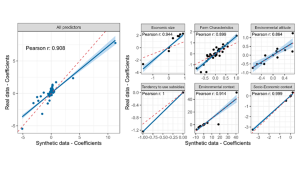
    Fig. 2: The LASSO features’ coefficients in the analyses with the real data vs. the same features’ coefficients in the analyses with the synthetic data for all predictors and the predictors relevant to each of the six hypotheses. Each point represents a feature, and the blue line is a linear model fit of Real vs. Synthetic coefficient values. Pearson r correlation coefficients are given in each panel. The red dashed line is the line of unity

    The model had a relatively high accuracy in predicting both N and P concentrations in rivers, but with discrepancies at lower predicted values of N and at higher predicted values of P. Further analysis of these discrepancies will allow us to suggest improvements to the models and their parameterisation. The models showed that nutrient losses are large from grasslands with a high stocking rate, such as in the Netherlands, Ireland, western Denmark and parts of France and Germany. Low amounts of nutrient loss are found in regions without widespread intensive agriculture such as in parts of Scandinavia and southern Europe.

    Data needs for biophysical modelling in agricultural landscapes

    While the situation has slightly improved over recent years with the advent of novel datasets, such as those derived from remote sensing (such as COPERNICUS), the challenges persist, especially when it comes to the availability of data for biophysical modelling in agricultural areas. The complexities of agricultural systems demand detailed and up-to-date information on soil characteristics, weather patterns, land use changes, and crop dynamics.

    In many regions, the insufficient sharing of relevant data, the absence of standardised formats, and the reluctance of stakeholders to contribute information continue to hinder the development and refinement of effective biophysical models. It is crucial to prioritise overcoming these data limitations, as enhancing data availability not only benefits the scientific community but also empowers farmers. Improved access to data enables farmers to make well-informed decisions, especially when considering significant changes in their practices.

    During the BESTMAP project, significant data sharing challanges were overcome. In particular, with data coming from the Farm Accountancy Data Network (FADN). Here we highlight a few recommendations:

    1. Improving the usefulness of the Farm Sustainability Data Network (FSDN) by including more detailed information on land management, precise land-use aspects such as intensity, farming practices, pesticide application, fertiliser application, agricultural yields per crop and area, and land tenure (owned/leased land);

    2. Improving access to spatial FSDN data to allow access to micro-level anonymised data;

    3. Improving compatibility of FADN/FSDN to other European data, in particular LPIS/IACS system; and

    4. Addressing issues related to the sampling/regions used in FSDN – i.e. including better representation of organic farms and involving smaller farms.

    Piloting synthetic FADN generation

    The Farm Accountancy Data Network (FADN) is a comprehensive database that captures pivotal characteristics within the agricultural landscape and is thus highly suitable for exploring the above questions and hypotheses.

    However, including personal and confidential information poses a challenge for widespread utilisation due to privacy concerns and legal considerations surrounding protecting sensitive data. In navigating this delicate balance between widespread utilisation and confidentiality, the integration of synthetic data emerges as a promising technological solution, safeguarding sensitive data, improving the accuracy of Machine Learning models, and mitigating bias.

    We harvested the Synthetic Data Vault library (SDV), a comprehensive set of tools that covers the entire analytical pathway, including data preparation, modelling, sampling, quality evaluations and visualisation to generate synthetic data that mimics FADN data.

    The results are encouraging: The analysis based on synthetic data retained a similar number of features, conserved the overall ranking of hypotheses-focused models, produced coefficients that are strongly correlated to the coefficients of real data (see Fig. 2), conserved similar frequencies of features we consider essential, and conserved high correlation between coefficients even within a single feature. This suggests we have found a good balance between information content and confidentiality.

    Improving agri-environmental policy in Europe

    Based on the project results BESTMAP proposes several strategies for improving the effectiveness of Agri-Environmental Schemes (AES) in the EU.

    • Improving spatial targeting: BESTMAP proposes the use of archetype analysis to help understand spatial patterns in AES adoption and tailoring policies to specific farming contexts. This approach can enhance AES effectiveness by customising schemes to different farming systems.
    • Local co-development of AES: Involving farmers in designing AES can increase uptake and align agricultural actions with environmental goals. Co-design processes allow for testing and optimising measures in the field, maximising ecological and economic benefits.
    • Better advisory support: Farmers have indicated a lack of relevant advice when it comes to AES application and implementation. Providing accessible and free advisory services can reduce bureaucratic burdens, equip farmers with necessary skills, and guide them in choosing suitable AES. Advisory services should cover ecological advice and administrative support.
    • Revisiting AES payments: Current payment levels based on income foregone may not align with farmers’ decision-making. Higher payment rates reflecting the value of ecosystem services could increase AES uptake. A reevaluation of the payment approach is suggested to allow for payments that support public goods through public funding that goes beyond damage compensation.
    • Improving Monitoring of AES Success: Consistent monitoring guidance, stakeholder interactions, and adaptive planning are essential for assessing AES impacts effectively. More comprehensive monitoring data is required to inform future policy decisions.
    • New Vision for AES Design: BESTMAP proposes a more adaptive and multi-scale approach to EU agricultural policy, integrating bottom-up AES developed with farmers’ input, enhanced advisory services, targeted top-down AES, and improved monitoring within a flexible policy cycle.

    Please note, this article will also appear in the seventeenth edition of our quarterly publication.

    [ad_2]

    Source link
  • Creating a safer, more sustainable chemicals industry

    Creating a safer, more sustainable chemicals industry

    [ad_1]

    Circa and the RESOLUTE project are building a first-of-its-kind 1,000-tonne biorefinery to enable the transition to a more sustainable chemicals industry. We’ve made the breakthrough – now we need you.

    In a world demanding real change at scale to limit the climate crisis, we are still miles away from replacing the toxic fossil-based chemicals used everywhere in everyday life.

    Progress is being made with sustainability now a key objective for all responsible companies, and with corporate responsibilities extending deep into supply chains, the chemical building blocks of everyday products are under increasing scrutiny.

    The inception of ReSolute

    Circa is one of the few businesses with the technology to produce sustainable chemicals at an industrial scale and the tenacity to make it happen. Having collaborated with hundreds of academic and industrial collaborators to demonstrate the value of the chemicals generated from their patented FuracellTM technology, Circa is scaling up manufacturing with the support of European stakeholders by building its ReSolute plant.

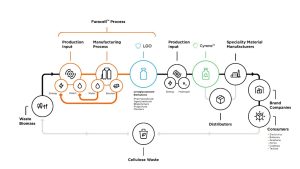
    The Furacell technology Circa has developed extracts the bio-based building block levoglucosenone (LGO) from non-food cellulosic biomass in one step by generating a biochar co-product. The building of the ReSolute cellulosic-to-chemicals plant will realise over a decade of lab, pilot and demonstration scale R&D investment and ambition.

    It will have the capacity to produce 1,000 tonnes of LGO and also includes the simple additional one-step catalytic hydrogenation process needed to produce Circa’s first LGO-derived solvent product – dihydrolevoglucosenone – or, as it is named, CyreneTM.

    Cyrene capacity will also be 1,000 tonnes, given it can be produced with close to stoichiometric yields from LGO.

    Cyrene

    LGO is a versatile platform molecule that has long been a target of the bio-based chemicals sector but, until now, was unobtainable at a commercial scale. It has the capability to be the intermediate for a portfolio of a hundred or more chemical derivatives and advanced materials with applications across solvents, speciality polymers, flavours and fragrances, pharmaceuticals, agrochemical actives and beyond.

    The LGO platform will either produce materials capable of out-performing traditional counterparts or ‘drop-ins’, prized for their chirality and complex structures, which are manufactured more economically in fewer, safer steps.

    For example, in 2022, a team at Merck (USA) won the Dunn Award for outstanding industrial implementation of novel green chemistry for employing the LGO platform to reduce the total synthesis of an established cancer drug from 11 steps to two steps as well as removing toxic solvents in favour of Cyrene.

    Cyrene itself is a multi-purpose industrial solvent with applications as diverse as chemicals, pharmaceuticals, materials, electronics, inks, graphene, foods/flavours and emerging sectors such as textile recycling and batteries. Cyrene has a unique property set, including viscosity, surface tension and polarities. It can work to replace dipolar aprotic solvents that are under regulatory pressure for their toxicity, i.e. NMP, DMF, DCM.

    Additionally, unlike other solvents, Cyrene forms a controllable, reversible equilibrium with water and can disperse carbon materials such as graphene with up to ten times the loading seen with NMP.

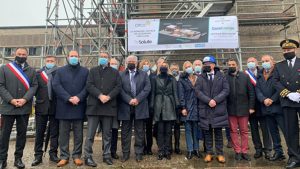
    The French Minister for Industry visits the ReSolute plant site in December 2021

    Forming the BBI JU ReSolute consortium

    However, as we look to tomorrow, we need to not only build commercial chemical plants to produce safer, sustainable, bio-based molecules with which to transform the chemical industry into the net-zero industry society demands, but we also need to build their associated supply-chain ecosystems.

    To this end, Circa has forged collaborations to create the 11-partner strong consortium that comprises the €11.6m ReSolute Bio-based Industries Joint Undertaking (BBI JU) project.

    The ReSolute partners include Huntsman, Talga and Merck KGaA, who are developing Cyrene commercial applications for wire coatings, graphene coatings, graphene batteries, pharmaceuticals and membranes, respectively. The distributor, Will & Co., is a further partner working with Circa and the consortium to develop commercial applications and markets.

    Additionally, AgroParisTech is scaling up an enzymatic route to Cyrene from LGO, which is metal-free to ensure the electronics and pharmaceutical applications have available material.

    Rounding out the project partners working on valorising the plant output is Coal Products Ltd (CPL), which is carrying out R&D to validate the ReSolute plant’s biochar co-product for sale into the high-added-value carbon markets.

    The ReSolute plant will be equipped to burn the biochar internally to meet the plant’s internal power needs and thus de-risk from utility pricing volatility; however, if higher added-value carbon products prove their economic worth, then the engineering design gives scope to optimise opportunity by selling the biochar as offtake.

    To complete the ecosystem, ReSolute is fortunate to have Vitis Regulatory Ltd as the partner handling the required Cyrene REACH registration and the Green Chemistry Centre of Excellence at the University of York, which is developing quality assurance and purity grades for Circa’s novel products. The bioeconomy cluster Bioeconomy For Change (B4C) is handling communications and dissemination for the ReSolute BBI JU project, with exploitation activities being led by PNO Consultants.

    Scaling up production of sustainable chemicals

    The ReSolute biorefinery is located in the Grant-Est region of France. It will re-purpose a coal-fired power station to create a lower carbon economy that provides skilled jobs in clean technologies. Support from local, regional and national governments has been notable; culminating in a visit by the French State Minister of Industry to the ReSolute plant site (see image) and the awarding of a multi-million Euro Relance grant by the French Government to further support.

    The ReSolute BBI JU project is a Flagship project. It is one of a few carefully selected commercialisation projects targeting the building of first-of-their-kind-in-Europe biorefineries on a commercial scale. Each has a high replicability potential for further, larger plants to be built across the continent leveraging regional feedstocks, supply chains, workforces and offtake markets. This vision aligns exactly with Circa’s goal of further scaling up, with the next 12,000-tonne scale plant already being planned.

    The ReSolute plant has been designed as a test bed with the exact design of future larger plants to enable easier and swifter scale-up with modular engineering. Phillip Mengal, former Executive Director of the BBI JU and Circular Bio-based Europe Joint Undertaking (CBE JU), said: “ReSolute is the Green Deal in motion.”

    Circa’s FuracellTM technology enables non-food biomass to be converted to novel high-value chemicals that are safer and more sustainable by design

    Seizing the opportunity of sustainable chemicals

    Perhaps, as you read this article, you are thinking ‘great but what comes next?’ Essentially, Circa and the ReSolute project need your active involvement to reach its long-term potential at a scale of tens of thousands of tonnes. Looking at the ReSolute project and beyond, after decades of outstanding R&D and millions in investment, science has delivered previously unimaginable solutions to our climate, biodiversity and resource challenges.

    Industrial biotechnology and bio-based innovation means (for example) household waste can become organic-based chemicals, industrial waste gases act as fertiliser feedstocks and non-food cellulosic biomass can be converted into a novel, low-toxic industrial solvents, as Circa has proven.

    Plus, digitalisation, Artificial Intelligence (AI) and the Internet of Things (IoT) are revolutionising manufacturing alongside 3D printing, electrification and renewables – i.e. the technical and engineering barriers to achieving a sustainable, safer chemicals industry using feedstocks that are renewable, bio-based and/or waste-derived are being stripped away.

    However, the true value of these innovations will only be realised if they are nurtured beyond the pilot scale to achieve industrial scale-up and end-use. It is here where the challenge lies, given the investment needed and new markets/applications, with the policy to support them, that must be developed to compete with our petroleum-subsidised industry of today.

    Can we afford to let groundbreaking innovations falter at scale-up while we turn to marvel at the newest shiny idea? We’d assert, given the challenges we face as a society a quarter of the way through the 21st century, the answer is ‘no’ regardless of the notable challenges associated with industrial scaling-up.

    We could argue that R&D may be deemed the ‘easy’ part compared to the formidable task of engaging industrial stakeholders, fostering political will, securing financial support, redefining regulations and policies, embracing risk, altering end-user practices, managing legacy assets, shaping consumer perceptions, and, ultimately, constructing and operating commercial plants.

    Nonetheless, a collective effort involving industry, governments, end-users, policymakers, innovators, and citizens globally is building the industrial-scale change we need in the chemicals we manufacture, use and dispose of. Circa is actively contributing to this transformative journey alongside the ReSolute consortium and BBI JU, and we invite you to step up and join forces with us in reshaping chemistry at a scale that will endure for good.

    This project has received funding from the Bio Based Industries Joint Undertaking (JU) under grant agreement No 887674. The JU receives support from the European Union’s Horizon 2020 research and innovation programme and the Bio-Based Industries Consortium.

    Please note, this article will also appear in the seventeenth edition of our quarterly publication.

    [ad_2]

    Source link
  • Igniting worldwide action against climate change

    Igniting worldwide action against climate change

    [ad_1]

    Trent University’s world-class research on climate change and sustainability resonates globally.

    Climate change is the defining challenge of our era, transcending borders and affecting almost every facet of the Earth, our systems, and our lives. From business operations to politics, social justice movements and healthcare to drought and other extreme weather events, the consequences of climate change are escalating. Together, we need to better understand the complex systems that drive climate change, the short and long-term impacts of these changes, and the types of collaboration that can lead to meaningful actions of mitigation.

    Trent University researchers are studying the challenges of climate change locally and globally in the heart of Ontario, Canada.

    Dr Cathy Bruce, Vice President of Research and Innovation at Trent, said: “As a university, we recognise that we cannot mitigate today’s multifaceted challenges by operating in a silo. Meaningful innovation happens when groups come together to tackle complex problems, identify sustainable practices, and influence policy. And these efforts necessarily involve international partnerships and research collaborations.”

    Trent’s commitment to global collaboration was recently highlighted in a spotlight of the 2023 Research Infosource rankings. The University secured the position of Canada’s number one primary undergraduate university for growth in international partnerships and collaborations. Several illustrative examples of the productive international research relationships that have been forged offer insights into how these relationships propel leading-edge research and help build a talent pipeline that is diverse, creative, and global in reach.

    A global constellation of labs

    Perhaps one of the most notable examples is the establishment of the International Institute for Environmental Studies (IIES). This dynamic network of more than 22 university, government, and NGO research organisations from across the globe are collaborating through shared expertise, facilities, and research programmes to develop innovative research and policies that help address environmental issues of international magnitude. In January 2024, the IIES announced the University of Toulon in France as its latest member.

    Under the IIES umbrella, Dr Huy Dang, a faculty member in Trent’s School of the Environment and Department of Chemistry, is leading the vision of what he describes as an International Research Lab.

    Through this constellation of labs, Professor Dang is partnering with researchers from Trent, Ho Chi Minh City University of Technology (HCMUT) in Vietnam, and Université Grenoble Alpes in France to focus on three pillars of study in these varied environments: Pollution, sustainable agriculture, and carbon capture.

    Trent University faculty, staff, students and alumni with HCMUT researchers in the Cat Tien UNESCO Biosphere reserve

    The goal is to develop joint research projects, share analytical facilities across the nations and their institutions, and conduct technical training for staff and students. Ultimately, the students who travel to these labs and engage in diverse research experiences will gain broader and deeper knowledge and skills because of their rich international experiences.

    Professor Dang emphasised the transformative impact of student involvement in broad collaborations, stating: “It’s essential to provide international experiences to our students, which might represent life-changing opportunities but also support students in working through significant human challenges, such as language and cultural barriers.”

    This approach, he believes, contributes to the development of well-rounded individuals poised to become environmental leaders advocating for equal opportunities.

    Professor Dang’s inspiration stems from experiences as an environmental scientist who grew up in Vietnam, studied in France, and now conducts research in Canada at Trent University. Professor Dang’s collaborative nature has earned him a Golden Globe Award in Science and Technology for early career scientists.

    Professor Dang said: “A single person or nation cannot solve major global environmental problems – we must work together. Developed countries should consider partnering with developing countries so that both can acquire knowledge about how better to address major environmental challenges on a global scale. This is essential in a vision where nations equally contribute to mitigating their carbon emissions.”

    The International Research Lab project is funded through a National Sciences and Engineering Research Council of Canada (NSERC) Alliance International Catalyst Grant, as well as support funding from Trent’s Office of Research and Innovation, the Provost Travel Fund, the Office of the President, and the IIES.

    Front edge research on microplastics

    Plastic pollution has emerged as one of the biggest threats to the environment, animals, and human health, with microplastics now recorded in our oceans, freshwater, soil, and clouds.

    Several Trent University researchers are collaborating with international colleagues to ascertain the long-term effects of microplastic pollution on ecosystems and suggest solutions to this universal challenge.

    Dr Cheryl McKenna Neuman, an expert in aeolian science, is involved in a three-year international collaboration funded by NSERC to study microplastic transport in atmospheric flows. Her team is collaborating with Dr Joanna Bullard and researchers from Loughborough University in the UK to simulate the airborne transport of microplastics and evaluate their environmental degradation.

    According to Professor McKenna Neuman, the properties of synthetic plastic particles are also far more complex than sedimentary particles. They can be moulded, extruded, or blown to form objects of almost any shape or size. They are primarily resistant to corrosion or biodegradation, are good insulators, and are lightweight yet relatively strong.

    Professor McKenna Neuman explained: “Professor Bullard and I were previously part of an international working group examining aerosol transport in cold climate regions. This new collaborative project capitalises on decades of experience gained through our collective work in aeolian research addressing wind-borne particle transport. We already had the tools and knowledge to examine the physical mechanisms driving the emission of microplastics into the atmosphere, allowing us to pivot and study the behaviour of microplastics in the environment.”

    The collaborators have been conducting experiments in Trent’s Environmental Wind Tunnel, one of only a few worldwide facilities designed to simulate the atmospheric boundary layer in clean air and wind sediment transport. Research findings indicate that microplastic fibres are transported more readily than quartz particles, exhibiting a higher frequency and covering greater distances than initially anticipated.

    In a related initiative, Dr Julian Aherne, a professor in the Trent School of the Environment and past Canada Research Chair in Environmental Modelling, together with fellow Global Lake Ecological Observatory Network members, conducted one of the first globally comparable studies on microplastics in freshwater systems using standardised aquatic samples. The group, which included 79 researchers, collected samples across 38 lakes and reservoirs in 23 countries across six continents and found that microplastic concentrations are equally, if not more, prevalent in freshwater systems compared to the marine environment. Lake Maggiore in Italy, Lake Lugano in Switzerland, and Lake Tahoe in the US ranked the highest in concentrations of plastic debris.

    Northern resilience and collaboration

    With a shared commitment to fostering resilience and sustainability in northern and remote communities, Trent and the University of Edinburgh will host the Northern Science, Northern Stories: An Exploration of Resilient Communities Summit in March 2024. This event builds on both institutions’ work and is affiliated with the University of the Arctic.

    The Summit, led by Trent’s Dr Heather Nicol and University of Edinburgh’s Dr Margaret Graham, aims to bring scientists, artists, and Indigenous Knowledge holders together to share insights on the impacts of climate change, as well as other forms of environmental and cultural change in the Arctic and northern regions. The shared goal is to appreciate better and understand various perspectives that emerge at the intersection of science and storytelling.

    The event will include workshops, panels, arts-based outputs, and a two-day field trip to the northern reaches of Scotland. Participants will hail from Trent and the UK, Norway, Nunavut, the Yukon, and the Northwest Territories. Artists, performers, storytellers, filmmakers, poets, musicians, and scientists will share knowledge and ways of knowing related to some significantly changing ecosystems of flora, fauna, landscape, and people.

    Fostering an interdisciplinary environment

    Given the rapid climate change occurring in northern and remote communities, building community resilience by including performance, arts, and storytelling in northern research is all the more critical. Tapping into traditional cultural experiences and knowledge, the Summit aims to build a more profound understanding of the impacts of climate change across regions. It also aligns with Scotland’s Arctic Policy Framework, acknowledging that while science is vital for addressing environmental and social change, it is crucial to broaden our scope and consider other types of knowledge – particularly creative and cultural forms.

    Professor Nicol said: “The Summit builds upon Trent University’s growing collaboration with the University of Edinburgh in the area of environmental sciences and broadens the area of interest to include faculty from across the humanities and social sciences. It also aligns with our commitment to fostering interdisciplinary conversations about the resiliency of northern and remote communities and the inclusion of community in scientific, humanities, and social science research.”

    Building future collaborations between Trent University and the
    University of Trento in Italy

    The Canada-Scotland Summit is funded through a grant from the Scottish government’s Arctic Connections Fund and a matching grant from the Canadian Social Sciences and Humanities Research Council.

    In the spirit of building collaborations among institutions to share knowledge and expertise, a second and divergent knowledge-sharing summit will be held between the University of Trento in Italy and Trent University in May 2024. This event will bring experts to Trent to discuss innovative research on teaching and learning, focused on critical thinking and innovative teaching methods that better meet the changing needs of students and their future pursuits as leaders.

    Dr Fergal O’Hagan, Associate Dean of Trent’s Centre for Teaching and Learning, said: “As our first bilateral summit, we are working to build a depth of relationship between our institutions to foster cross-boundary understandings of critical global issues, sharing our knowledge and practices. Through these collaborations, we create a dynamic global research network and promote a rich exchange of ideas and expertise to tackle matters of shared concern.

    Inspiring tomorrow’s global citizens

    Trent University is committed to fostering a dynamic learning environment where new ideas flourish and students actively engage in shaping a clean, green, low-carbon economy. Its internationalisation efforts, therefore, extend beyond research, encompassing teaching partnerships, international recruitment, and exchanges with institutions in the United Kingdom, Spain, Italy, Scotland, Vietnam, the Middle East, India, and Pakistan, to name a few. An essential facet of these partnerships is providing students with opportunities to gain knowledge through international exchanges and welcoming students from around the world to study at Trent.

    Trent’s dedication to internationalisation is not a recent development. Since 1984, the University has managed an active exchange programme, establishing long-standing study-abroad opportunities with more than 58 partners across 36 countries. This extensive network continues to provide Trent students with invaluable exposure to diverse cultures, ideas, and research methodologies.

    These exchanges underscore Trent’s vision of providing students with transformative experiences, nurturing their academic prowess and fostering global citizenship and leadership.

    Navigating the challenges of research internationalisation

    While the positive impact of bridging borders to achieve previously unimagined breakthroughs is immense, it can come with challenges.

    One key challenge involves ensuring sufficient funding to travel across international networks and propel the work forward. Funding from various levels of government on both sides can make all the difference in bringing people together to build new knowledge. Another pressing challenge that all nations face is ensuring their research is secure. At Trent, as with other institutions around the globe, protecting the products of research until they are ready to be shared by the researchers themselves is vital, as is understanding potential risks to a researcher’s work through unwanted access and interference.

    Dr Bruce said: “Building long-term, successful global research relationships takes time, trust, and grit. When done well, international collaboration is indispensable in propelling research and innovation toward solutions for global climate and environmental challenges, as well as for greater human connection and understanding of the value of diversity.

    “It’s worth the effort when the result involves unlocking scientific discovery and making a global impact.”

    Please note, this article will also appear in the seventeenth edition of our quarterly publication.

    [ad_2]

    Source link

  • Refining high-purity manganese for the future

    Refining high-purity manganese for the future

    [ad_1]

    Manganese X Energy is striving to become the first publicly traded mining company in Canada and the US to commercialise sustainable, high-purity manganese.

    Manganese is a key element in manufacturing lithium-ion batteries, which are set to power the world in the coming years. They are the most promising because of their superior storage capacity, safety, and cost.

    Manganese X Energy aims to provide a secure, sustainable manganese supply by exploring and developing the Battery Hill Project, its manganese-rich deposit near Woodstock, New Brunswick, Canada.

    The Innovation Platform spoke to Manganese X Energy regarding these plans as they work towards developing the best methods of high-purity manganese purification.

    What is the core mission of Manganese X Energy Corp, and how does it guide the company’s activities and initiatives?

    Manganese X’s mission is to become the first publicly traded mining company in Canada and the United States to commercialise high-purity manganese.  Manganese plays a pivotal role in the creation of robust, long-lasting and high-density EV batteries. Manganese is currently a less expensive metal on the market compared to nickel, cobalt, or lithium. OEMs want to start utilising more manganese in their batteries to reduce the cost, as batteries are still very expensive. Manganese fits into this category as it is an inexpensive metal that stabilises all the other battery materials in the battery so it does not overheat. It is compatible with many chemistries, and you can get the best performance out of the battery while reducing the cost of it. We call manganese ‘Mr Stabiliser.’

    Notably, no sustainable manganese production exists in Canada and the United States. This creates a significant disadvantage for domestic EV manufacturers. It’s imperative we close this North American domestic gap. Manganese X is currently completing our pilot project for demonstration purposes that will be capable of repeatedly and consistently generating sufficient EV-compliant high-purity manganese for end-user testing and potential offtake/participation scenarios. The EV revolution is underway, and innovative battery chemistry will be the catalyst that moves us into an interesting future. We believe that manganese will significantly influence EV batteries, and this will position Manganese X to take advantage of the growing demand for EV batteries.

    Why is high-purity manganese considered essential for economic and national security?

    A Canadian supply of high-purity manganese is critically important in supporting the North American automotive and energy storage industries and the country’s transition to electric vehicles (EV) and other green energy initiatives. High-purity-based chemistries are currently used in over 57% of EV battery production in the US, and this percentage is expected to increase. Experts predict a shortage of high-purity manganese to support Canada’s supply chain of this vital mineral.

    A continuous supply of manganese sulphate is also critically important as a component in livestock feed and fertiliser to support the Canadian and Global food supply and production. Manganese X’s Battery Hill manganese ore deposit in Woodstock, New Brunswick, is one of the largest carbonate deposits in North America and has the potential to be a substantial contributor to the supply chain of high-purity manganese, essential to support the EV and energy storage industries.

    Bringing the mine into production contributes to the Canadian economy through employment, using the region’s local rural and urban communities to provide a large base of skilled trades, and professional and service sector support for exploration and resource development. Battery Hill’s forty-plus-year mine life represents a long-term economic contribution to Canada.

    What are the current threats to mineral supply, and how do they impact the importance of manganese, particularly in the context of economic and national security?

    China controls the high-purity manganese supply, producing 90-94% of all high-purity manganese utilised in producing electric vehicle (EV) batteries. China is also a major supplier of high-purity manganese used as a component in livestock feed.

    There is currently no high-purity manganese production in North America.

    This over-concentration in controlled supply makes the supply chain highly susceptible to disruption and manipulation.

    Experts predict that there will be a shortage of high-purity manganese. By 2030, high-purity manganese demand should increase ten-fold, representing a forecast deficit of needed production of high-purity manganese exceeding supply many times over.

    To meet the increase in demand, high-purity manganese global production must rise from the current approximately 127 kt/a (manganese contained in HPEMM and HPMSM) to 1,127 kt/a by 2030 and 1,680 kt/a by 2035.  There will be severe challenges meeting this demand as there are not enough high-purity manganese projects in the pipeline to meet the 2030 demand.

    high-purity manganese, battery hill project
    © shutterstock/Sunshine Seeds

    With the major sedimentary carbonate manganese deposits located in New Brunswick, Manganese X could potentially supply much of the high-purity manganese required for the North American and European electric vehicle battery/renewable energy value chains.

    Could you provide an update on the progress of the pilot plant project? How does this project validate and optimise the technology crucial for the Battery Hill deposit pre-feasibility study?

    Manganese X’s first high-purity 99.95% HPMSM samples were produced and are in the process of being sent to various electric vehicle original equipment manufacturers and EV cell manufacturers. These samples are earmarked for comprehensive testing to ensure rigid EV battery standards compliance. The HPMSM samples were generated during the flowsheet optimisation phase of the pilot plant project led by the metallurgical research authority Kemetco Research Inc.

    The pilot plant project is utilising a large bulk sample from the Company’s Battery Hill manganese mining project, located in New Brunswick, Canada. The sample represents the initial five years of the proposed production, as outlined in the Battery Hill preliminary economic assessment. The pilot project serves as a pivotal element in the pre-feasibility study for the Battery Hill manganese deposit. Key objectives of the pilot project encompass:

    1.  Demonstrating the capacity of Battery Hill manganese feedstock to achieve HPMSM production on a larger commercial scale;
    2.  Optimisation of the processing flowsheet to ensure the most efficient and cost-effective methods areutilised in the company’s pre-feasibility study; and
    3.  Mitigating risks associated with the metallurgical process and engineering design.

    Regarding end-user verification, what steps have been taken to test high-purity manganese samples for North American supply chains’ pre-approval, and what are the outcomes thus far?

    The process of end-user verification has just recently started and will be ongoing as the Battery Hill project continues to advance towards production. Thus far, Manganese X Energy Corp. has signed a memorandum of understanding with US battery technology leader C4V, leading to a potential offtake deal from the company’s Battery Hill high-purity manganese project in Woodstock.

    The non-binding agreement is based on the potential supply of electric vehicle compliant high-purity manganese sulphate monohydrate (HPMSM), a sample of which is currently being prequalified by C4V for its Gigafactory joint ventures. The sample was produced as part of Manganese X’s pilot plant project, using its groundbreaking proprietary manganese purification technology to process Battery Hill manganese carbonate into EV-compliant high-purity manganese sulphate monohydrate as a precursor to the cathode.

    Martin Kepman, CEO of Manganese X, said: “This is a significant step in Manganese X’s mission to become a sustainable and reliable North American supplier of HPMSM and could even potentially lead to being a worldwide supplier, thanks to C4V, which also represents additional Gigafactories around the world. Through this MOU, we can ensure our HPMSM meets C4V specifications to progress towards a binding offtake deal for our Battery Hill manganese.”

    Mr Kepman continued: “Our timing is excellent as EV car manufacturers ramp up their efforts to secure long-term supplies of high-purity manganese. Manganese is consistently in the news as a battery chemistry of choice. Not only is it less expensive to process, but manganese also provides the EV battery with greater energy density and rechargeability, as well as a longer life cycle.”

    high-purity manganese
    © shutterstock/gogoiso

    C4V is a US battery technology company and a global leader in renewable battery technology, as well as being involved in some of the world’s largest Gigafactory developments, including Recharge Industries’ Gigafactory in Geelong, Australia, and iM3NY’s Gigafactory in the United States.

    Shailesh Upreti, CEO of C4V, remarked: “We are very excited to be part of a journey paving a robust path for domestic manufacturing and a sustainable North American supply chain. Our collaboration with Manganese X Energy is a testament to C4V’s aggressive and comprehensive supply chain programme to identify cutting-edge technologies and resource partners to achieve our net-zero emission goals in a timely manner. We strongly believe manganese is a metal that has a significant role in this journey.”

    Could you provide details on the commencement of the pre-feasibility study? What are the study’s main objectives in terms of project development and fast-tracking strategies?

    Our objective is to complete the Battery Hill pre-feasibility study (PFS) work programmes as soon as possible. The PFS will mark the culmination of significant project de-risking and optimisation activities and, I believe, will confirm Battery Hill as a leading development stage project, highlighting its potential as a significant producer of high-purity manganese spanning multiple decades.

    The PFS will evaluate the economics of the project and will also allow the permitting process for planned development to be initiated. Environmental studies and Indigenous and local stakeholder engagement are active components leading into, through, and after the PFS. The PFS will also evaluate the company’s green energy/decarbonatisation objectives for the project. Manganese X Energy’s vision is to be the leading environmentally responsible producer of high-purity manganese for the North American EV battery industry supply chain.

    Please note, this article will also appear in the seventeenth edition of our quarterly publication.

    [ad_2]

    Source link