



In February of last year, authorities confirmed the details of a grave medical accident.
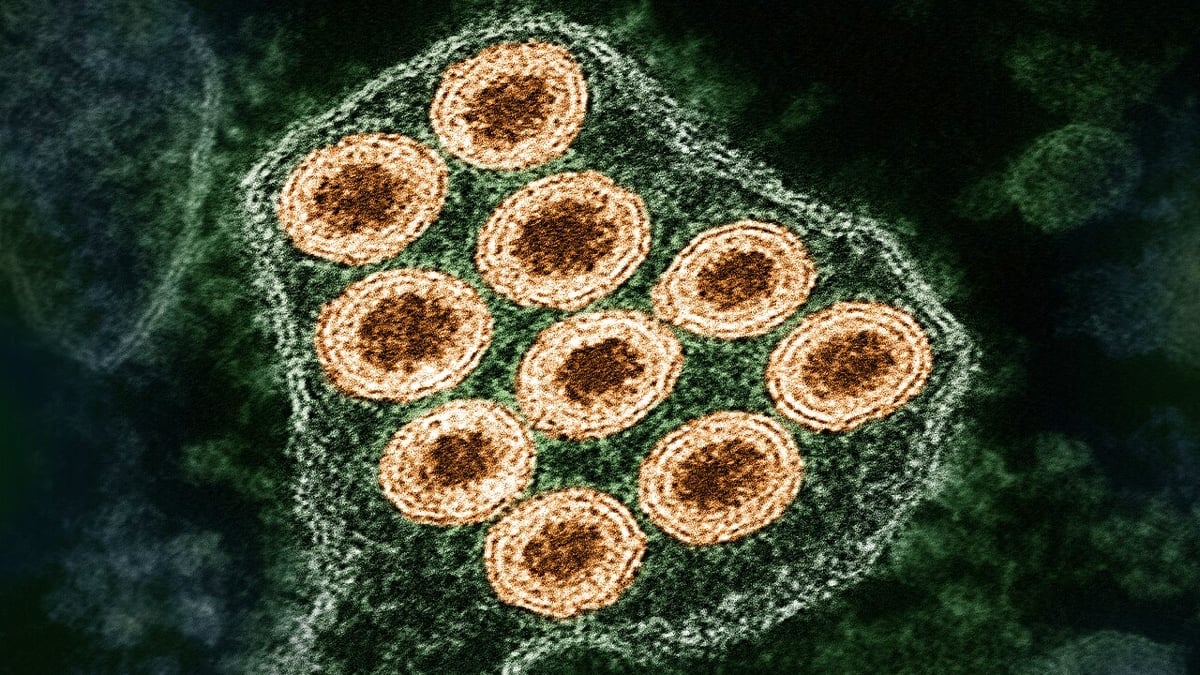
The US Centers for Disease Control and Prevention (CDC) diagnosed a fatal rabies infection in a patient from Michigan.
The circumstances of transmission were unusual. The deceased man, an organ recipient, had received a donated kidney infected with rabies.
The source of the kidney was a man in Idaho who had died only weeks earlier, donating his organs for others in need. At the time of his death, nobody realized his body was infected with the deadly virus.
Subsequent investigations revealed the Idaho man had recently been scratched by a skunk on his rural property – an infectious encounter that ultimately claimed his own life, and that of the man to whom he gave his kidney.
Records show it was only the fourth time in US history that an organ transplant procedure had transmitted the rabies virus (Lyssavirus rabies) from an initially undiagnosed donor.
But what if these kinds of records are wrong?
A new analysis published in Communications Health suggests that official figures may dramatically underestimate how many human cases of rabies are actually circulating in the US each year.
According to researchers from the Pandemic Sciences Institute at the University of Oxford, the extremely low count of confirmed human rabies cases in the US each year – just 2.4 cases annually on average from 2000 to 2024 – seems much lower than it should be.
The reason why it seems low is that a relatively high number of rabies cases are subsequently confirmed after infected organ transplants, like the sad case of the kidney recipient from Michigan.
 frameborder=”0″ allow=”accelerometer; autoplay; clipboard-write; encrypted-media; gyroscope; picture-in-picture; web-share” referrerpolicy=”strict-origin-when-cross-origin” allowfullscreen>
Even though the Michigan patient fatality represents only the fourth known case of a transplanted fatal rabies infection – the first such instance occurring in 1978 – given how rare organ donation itself is, something just doesn’t add up.
“The instances of rabies transmission from initially undiagnosed deceased donors suggest that many human deaths due to rabies are not diagnosed as such, considering that only a small percentage of people dying in the US become organ and tissue donors,” the researchers explain in a comment article.
Per the researchers’ calculations – which assume that the infected donors we know about faced an average nationwide level of risk of being infected with rabies – there should have been about 856 human cases of rabies in the years 2000–2024, whereas official records only document 60 confirmed cases during the period.
In other words, from a purely statistical point of view, confirmed cases of human rabies that are recorded by the CDC may have missed over 90 percent of cases since the turn of the millennium, amounting to about 30 cases being missed each year on average.

“Our central estimate suggests that only around 7 percent of human rabies cases in the general population were confirmed in recent years, and even its confidence limits indicate that, in the best-case scenario, only around 22 percent were diagnosed,” the researchers write.
“In order to argue that the reported number of rabies cases is consistent with complete surveillance, deceased donors would need to have a rabies risk approximately 14 times that of decedents in the general population.”
It’s worth emphasizing that the researchers’ calculations are only estimates based on statistical data, and they acknowledge they didn’t take into account geographical, occupational, or socioeconomic factors in their analysis of rabies risk, which could help refine their projections.
While it might seem unlikely that dozens of cases of rabies are being missed by doctors each year, that’s exactly the scenario that plays out in the case of the infected organ donors, with the causes of their deaths only being discovered tragically late in each instance.
In the case of the Idaho man, before his death he had difficulty swallowing and walking, experienced hallucinations, and was later found unresponsive at home after a presumed cardiac arrest.
Related: US Man Dies From Rabies After Receiving Infected Kidney
In another rabies-infected case reported in 2005, the donor experienced nausea, vomiting, brain hemorrhaging, and seizures before death. Later, when his rabies infection was discovered, his friends recalled he had mentioned being bitten by a bat.
In both cases, though, nobody at the time recognized the fatal infection for what it was, presumably because the symptoms could have been explained by many other possible (and likely more probable) causes.
For similar reasons, routine lab tests for organ transplants don’t screen for rabies, both because it’s a niche case and also because of the time pressure during transplant situations.
“If rabies is not clinically suspected, laboratory testing for rabies is not routinely performed,” the CDC explained in 2013, “as it is difficult for doctors to confirm results in the short window of time they have to keep the organs viable for the recipient.”
The findings are reported in Communications Health.
This article was fact-checked by Rebecca Dyer and edited by Rebecca Dyer. While we pride ourselves on our process, we are only human. If you spot a mistake, please let us know.