

Lots of birds aren’t built for flight: chickens, penguins, emus, etc. This new species of bird (Yuezhuornis yangyuanensis), which lived around 150 million years ago, is another such odd duck (so to speak), though it boasts the added cachet of challenging the conventional understanding of bird evolution.
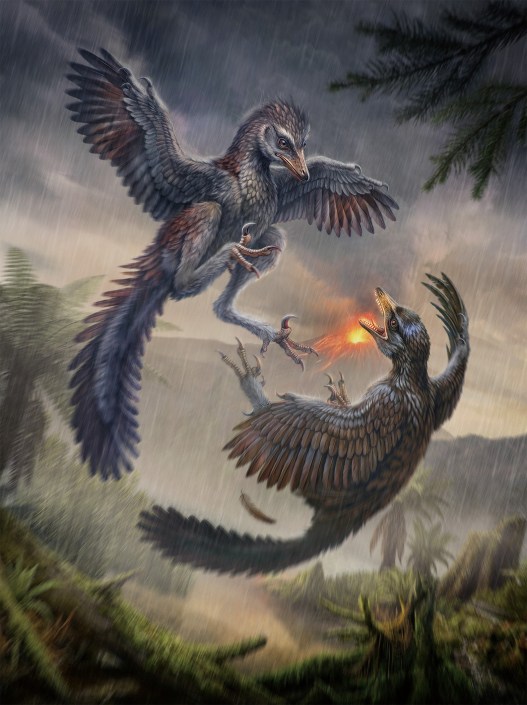
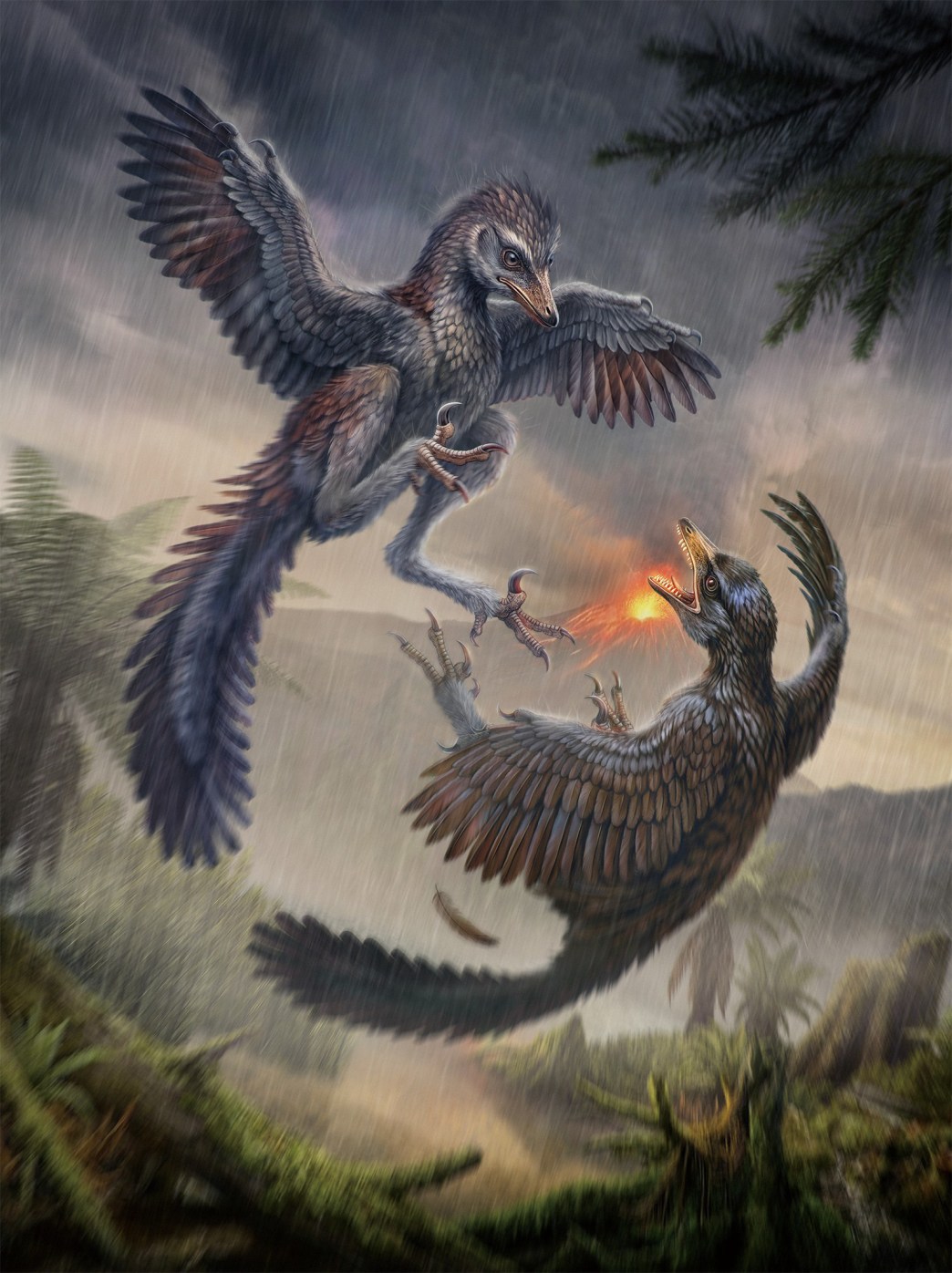
The traditional view has been that natural selection prioritized characteristics that help birds fly across the millennia. But Yuezhuornis yangyuanensis had a body built more for living on land than in the air. For example, its fossil had sharp teeth, relatively short wings, and a claw on its foot for attacking predators. It’s very much like a small, predatory dinosaur, and experts believe it may not have been able to fly at all.
And yet, it has bird-like features that put it firmly in the Avialae part of the animal kingdom—the evolutionary group where you’ll find modern birds and the extinct relatives closest to them.
“When we examined Yuezhuornis, we were struck by its extraordinary mix of features,” Wang Min, one of the authors of the study on Y. yangyuanensis, explained in a statement. “It possesses bird-like pelvic and hindlimb structures yet retains the specialized predatory foot and teeth of a small meat-eating dinosaur. It shows us that early bird evolution was far more complicated than we previously realized.”
Either the ancestors of this bird could fly, and this species lost the ability, or the entire lineage was never able to take flight in the first place, indicating that flight evolved more than once in early birds.
The incomplete but well-preserved fossil was recovered in southeastern China and is estimated to have come from a bird about the size of a crow—with a mass of around 1.8 pounds. Its anatomy was compared to other dinosaurs and birds of the same time period, as well as modern species, to see where it might fit on the grand evolutionary timeline. All of the evidence points toward a terrestrial lifestyle in the Late Jurassic.
It was around this epoch that flight evolved for the first time, so the dating matters, but experts still aren’t sure how the ability to fly originated. There are theories that it evolved from predators who launched attacks from elevated positions, or from bipeds who started jumping further and further distances while running, or from animals who ran up steep inclines and used early versions of wings to help.
Whatever the reason, given the carnage and chaos that happened on land during the Late Jurassic, it’s no wonder evolution nudged some creatures into the sky.
Enjoying Nautilus? Subscribe to our free newsletter.
Lead Image: Min Wang