
.jpg "How to Claim Your Cut of Apple’s 0 Million Siri Settlement")

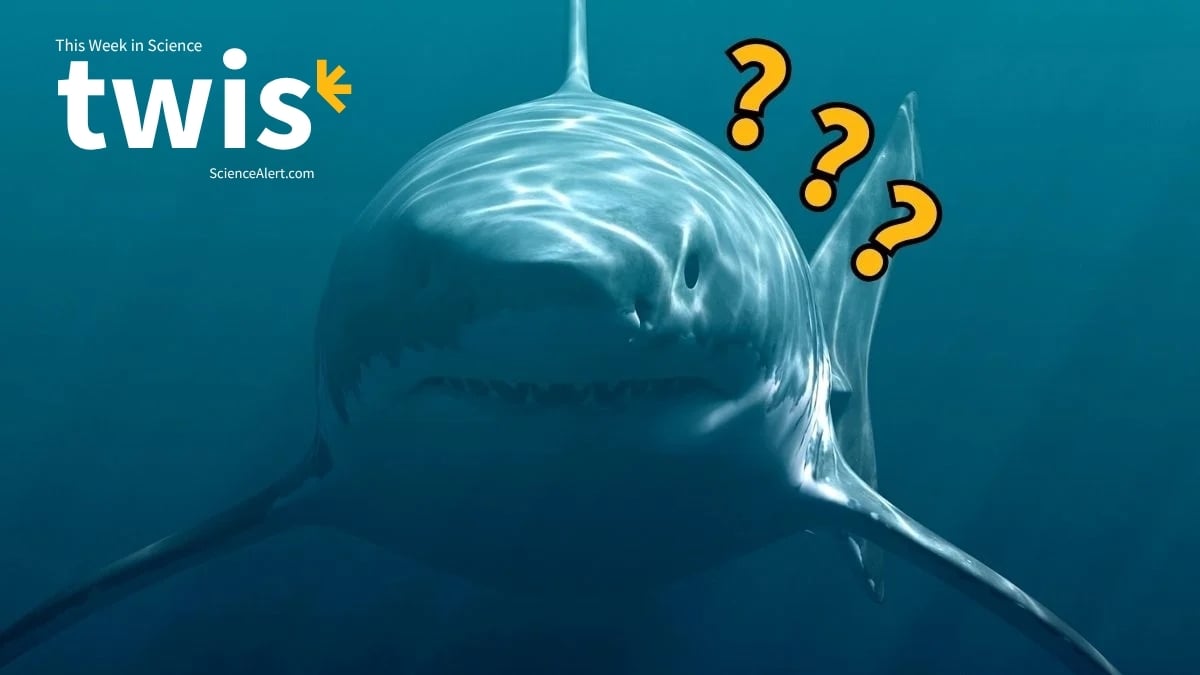
This Week in Science: A viral sensation is back in town, a sea monster’s gigantic size is confirmed, Yellowstone installs a new pool, and much more!
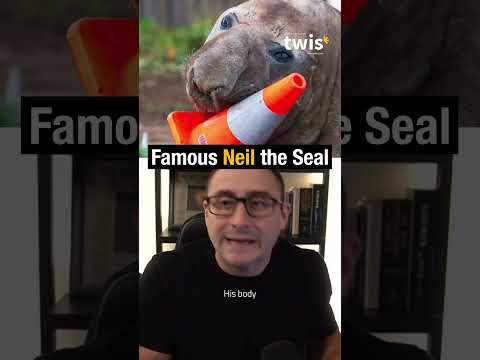
First up: ‘Neil the seal’ has returned to wreak havoc in the Tasmanian towns where he first achieved internet stardom. He’s back and bigger than ever – in terms of both bulk and followers.
Also this week:
Read on, and make sure you check out our TWIS video below!
There’s a Scientific Reason Australia’s Favorite Chaotic Seal Keeps Destroying Traffic Cones
His name is Neil the seal, and this year, he’s gotten absolutely enormous – in size and in popularity.
In case you haven’t seen the viral videos, Neil is a five-and-a-half-year-old southern elephant seal (Mirounga leonina) who returns each year to the beaches of Hobart, an Australian capital city, to shed his coat.
This year, however, Neil has a beach body bigger than ever. With every extra chunk of blubber, the seal seems to be accruing more and more fans, with a TikTok following of 1.4 million.
As a young pup, Neil was the mere height of a traffic cone.
Now, he can crush one… and does so regularly.
Read the full story here.
The ‘Shadow’ in Evolution That Explains Why Long Life Comes at a Cost

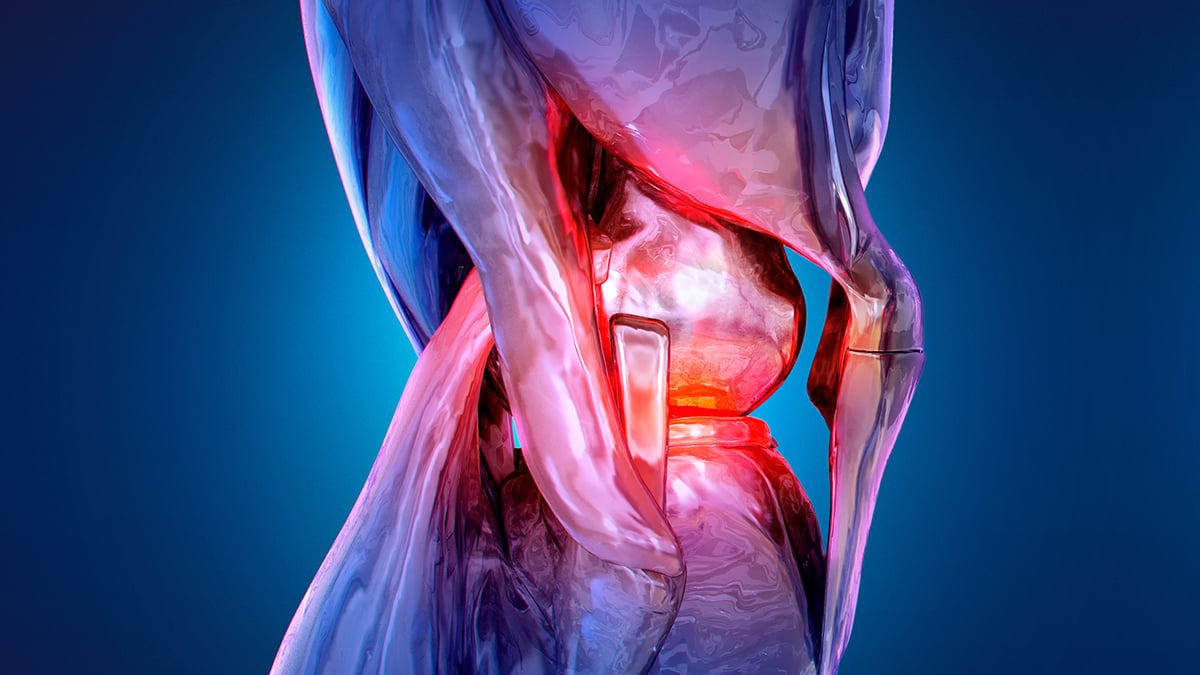
The world’s population is shifting. We’re living longer than ever before, with elderly people taking up a greater proportion of the people on the planet.
And yet those extra years aren’t necessarily being enjoyed in good health.
So how do these shifts interact with what we know about genetics and evolution? How might old age – a relatively recent concept, in the history of Homo sapiens – change our species?
And is the association between getting older and being less healthy inevitable?
To try to answer those questions, evolutionary geneticists Handan Melike Dönertaş and Linda Partridge reviewed several huge modern-day genetic datasets to test an idea that’s been around since the mid-20th century: the ‘selection shadow’.
Read the full story here.
Megalodon’s Terrifying True Size Confirmed By Rediscovered Fossil
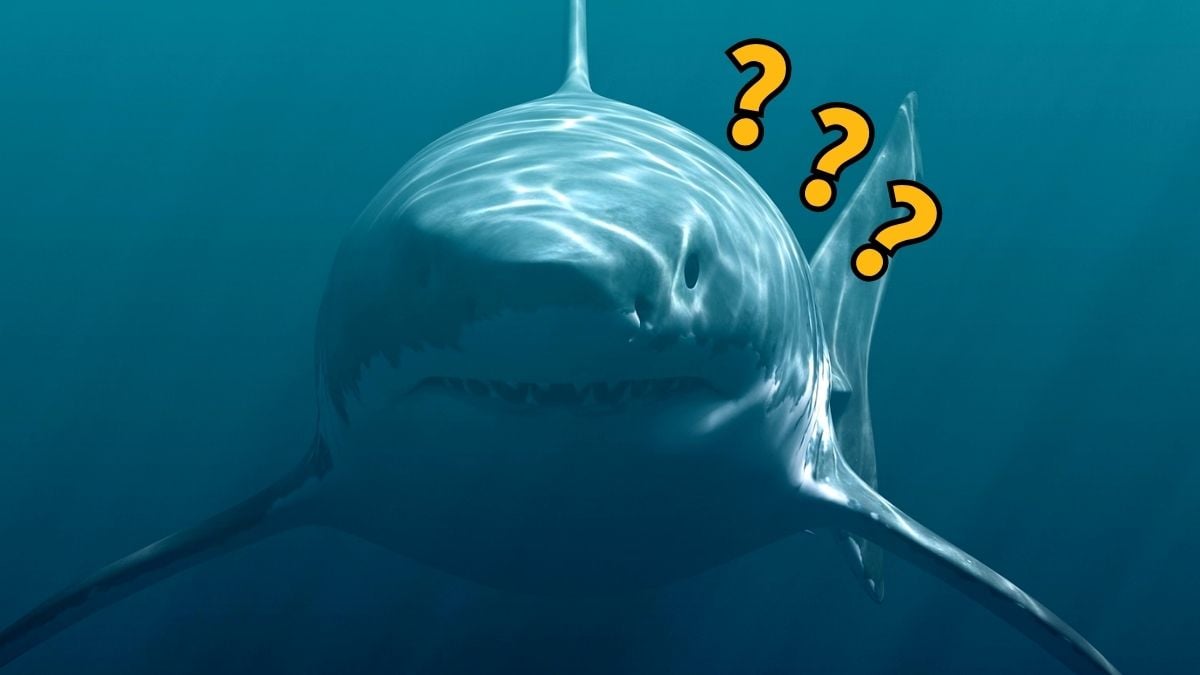
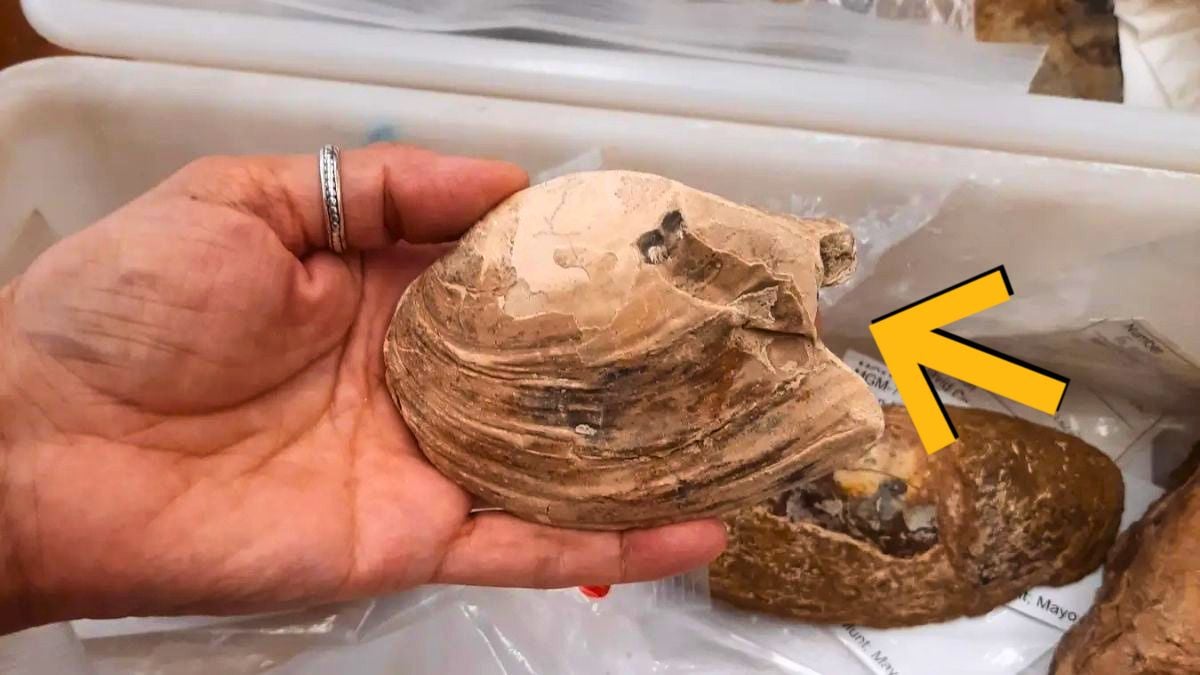
In 1978, paleontologists were stunned when they unearthed about 20 vertebrae from a single megalodon, including one that, at 23 centimeters (9 inches) across, was larger than any megalodon vertebra ever found, before or since.
That vertebra became the foundation for maximum-size estimates of the giant shark (Otodus megalodon), suggesting a huge monster that terrorized Neogene seas.

In 1989, while being moved from one storage facility to another, the specimen was severely damaged and was thought lost.
These remains have now been rediscovered and reanalyzed in a new study, confirming previous findings about megalodon and revealing new information about its lifestyle.
Read the full story here.
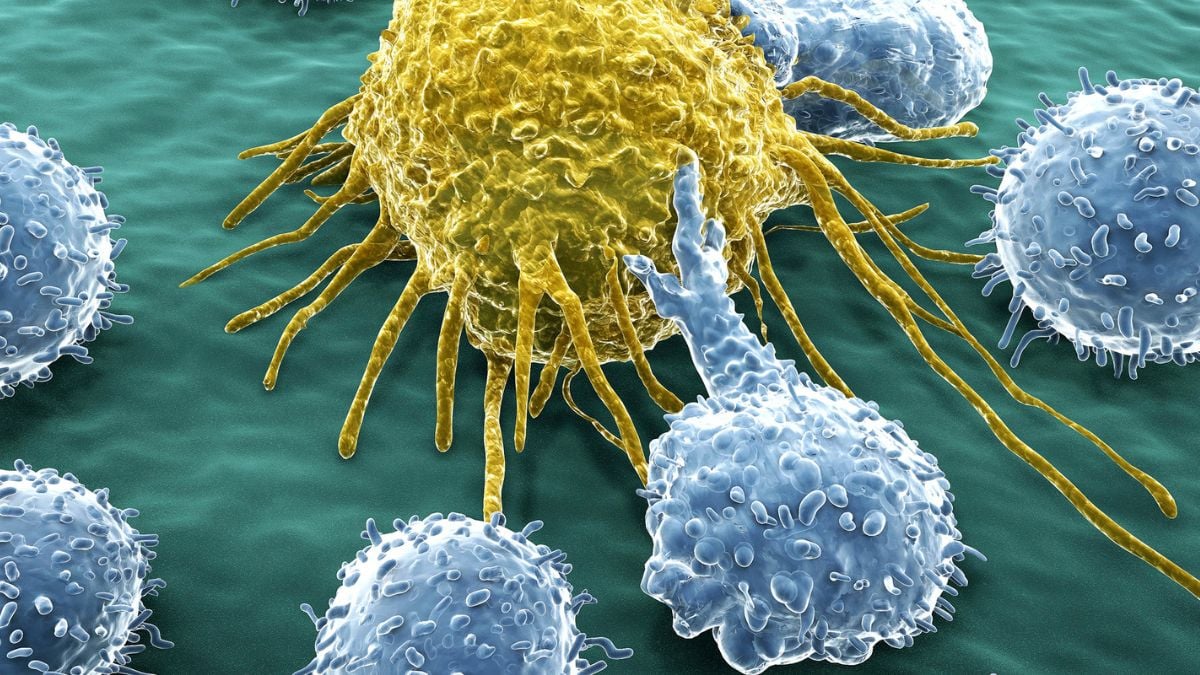
Gut Microbiome Could Remain Disrupted For Over a Decade After Polyp Removal
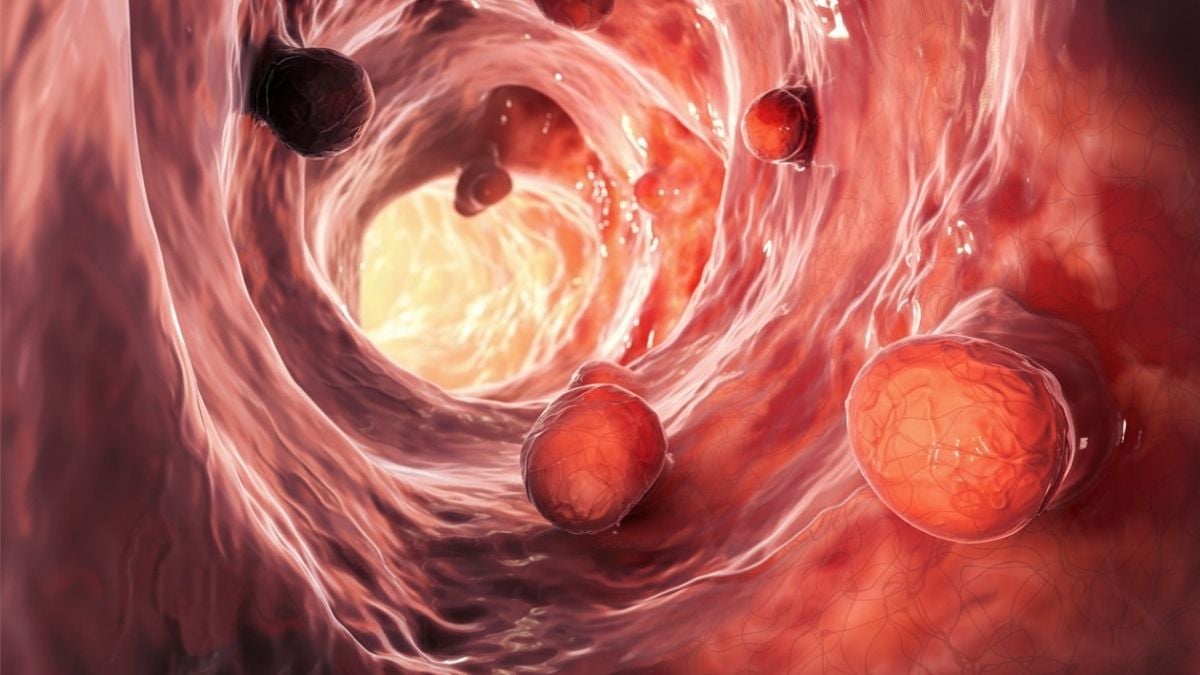
A technique commonly used to prevent cancer might not be as effective as we thought – and a new study might have found the reason why.
It turns out that the trillions of microbes that call your gut home could be to blame.
The research suggests that the gut microbiome could remain disrupted for a decade or more after the common procedure, in ways that keep cancer risk elevated.
Colonoscopies can reveal benign growths called adenomas in the colon. Since these can become cancerous later on, they’re typically removed as a precaution.
However, a patient’s risk of developing colorectal cancer often seems to remain elevated even after adenoma removal.
Exactly why this is the case has remained unclear, but a new study, led by researchers at the Harvard School of Public Health, may have linked it to the gut microbiome.
Read the full story here.
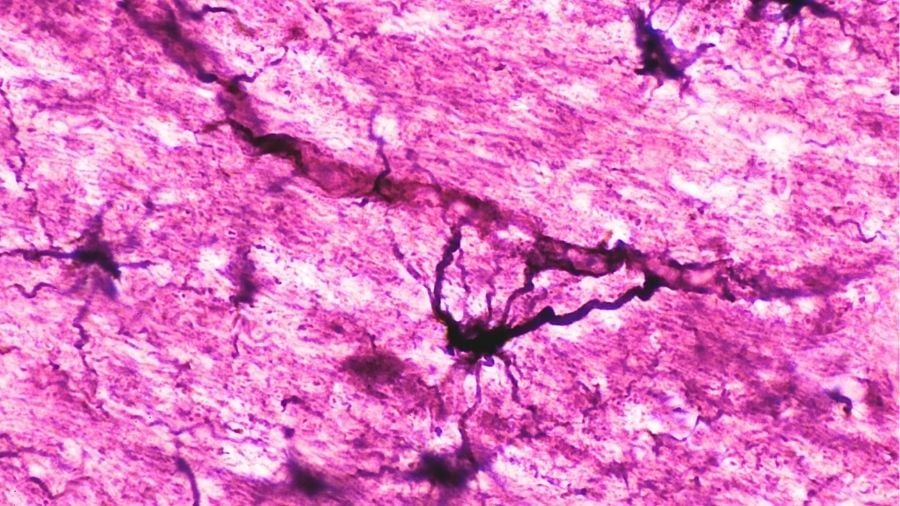
Ovaries Appear to Develop an Incredible Second Role After Menopause
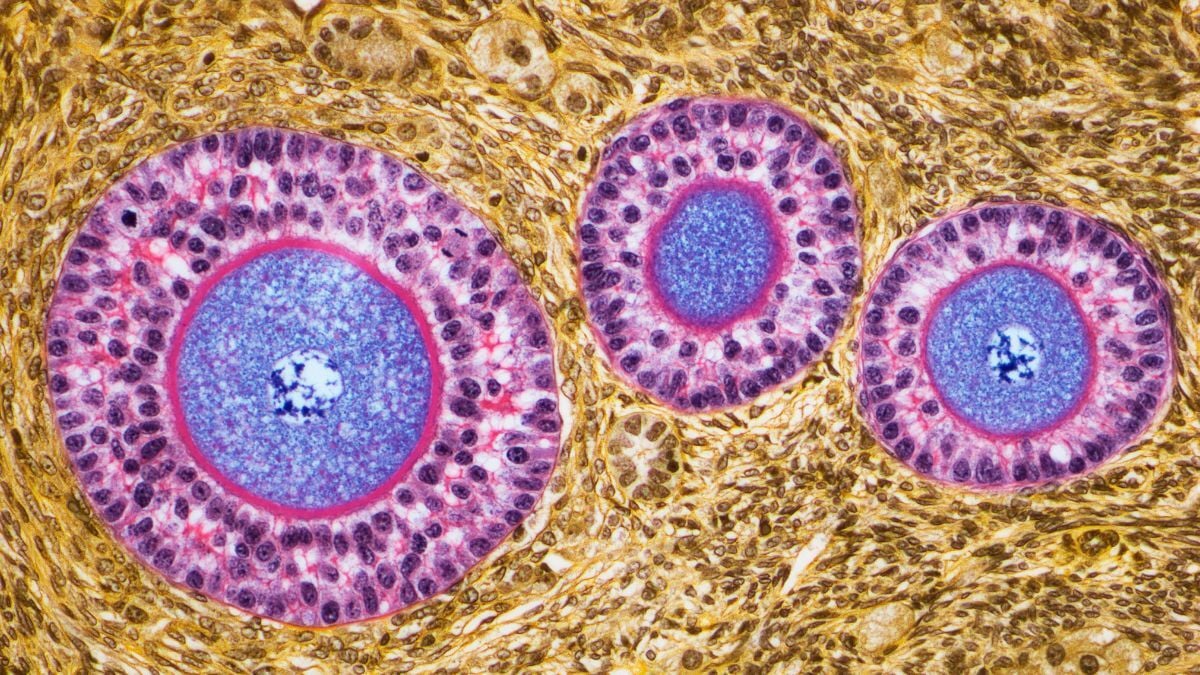
We’ve all heard of menopause: a supposedly terminal moment for the female reproductive system, in which the ovaries stop releasing eggs and presumably call it a day.
But reproductive biologist Francesca Duncan is not content with this simplified image of ovarian retirement.
She has been trying to understand what ovaries get up to once they stop pumping out eggs. It turns out it’s much less like retirement, and more like a career change.
Read the full story here.
A Strange, Boiling Hole Just Appeared Out of Nowhere in Yellowstone
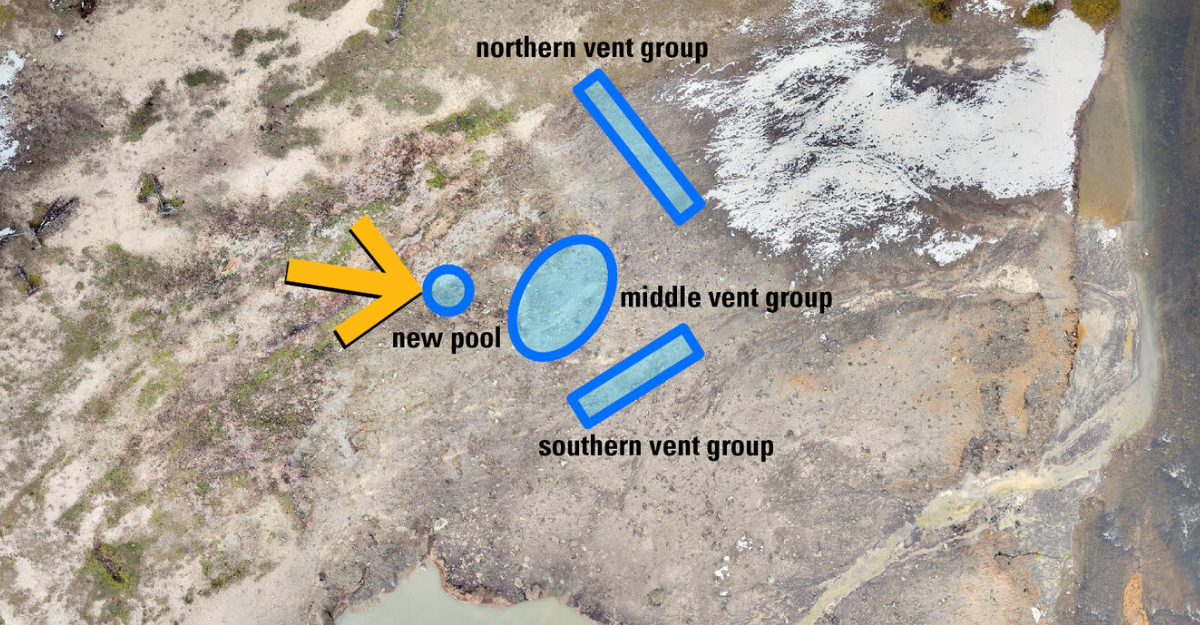
A churning pool of water has opened up in Yellowstone National Park – just two days after scientists were walking around on the exact patch of ground.
The spot where they were standing was replaced by a silt-gray pit the size of a small swimming pool, hissing and thumping with boiling water.
The weird part? Nobody saw it happen.
The new pool appeared in the Biscuit Basin sometime between June 14 and 16 – shortly after the area was rocked by a small hydrothermal explosion on June 13.
Read the full story here.
Watch the video below for a recap of the top stories from this week!
 frameborder=”0″ allow=”accelerometer; autoplay; clipboard-write; encrypted-media; gyroscope; picture-in-picture; web-share” referrerpolicy=”strict-origin-when-cross-origin” allowfullscreen>